


When a filling is not enough
A filling replaces missing structure inside a tooth but relies on the surrounding walls to hold everything together. When too much of the tooth is gone — a large old filling, a fracture, or a tooth weakened by root canal treatment — those walls can split under chewing force.
A crown covers the whole visible part of the tooth and holds it together from the outside, redistributing force across the restoration rather than into a crack. The usual reasons for one are:
- a tooth with a large filling and little natural structure left around it
- a cracked tooth, particularly one that hurts on biting
- a back tooth after root canal treatment
- a tooth badly worn by grinding or erosion
- to carry a bridge or sit on a dental implant
- occasionally, to change the shape or color of a badly discolored tooth
Placed before a cracked tooth splits, a crown usually saves it. After a crack reaches down into the root, the tooth often cannot be saved at all, which is why a crown recommended "before it breaks" is not being cautious for its own sake.

Materials
All-ceramic and zirconia crowns are tooth-colored and are the usual choice where appearance matters; zirconia in particular is very strong and is widely used on back teeth. Porcelain-fused-to-metal has a metal substructure under a ceramic surface, and a thin dark line can sometimes show at the gum over time. Gold is exceptionally durable and gentle on opposing teeth, but it is obviously visible.
The right material depends on where the tooth is, how hard you bite or grind, how much room there is, and how much the appearance matters to you in that position.
The process
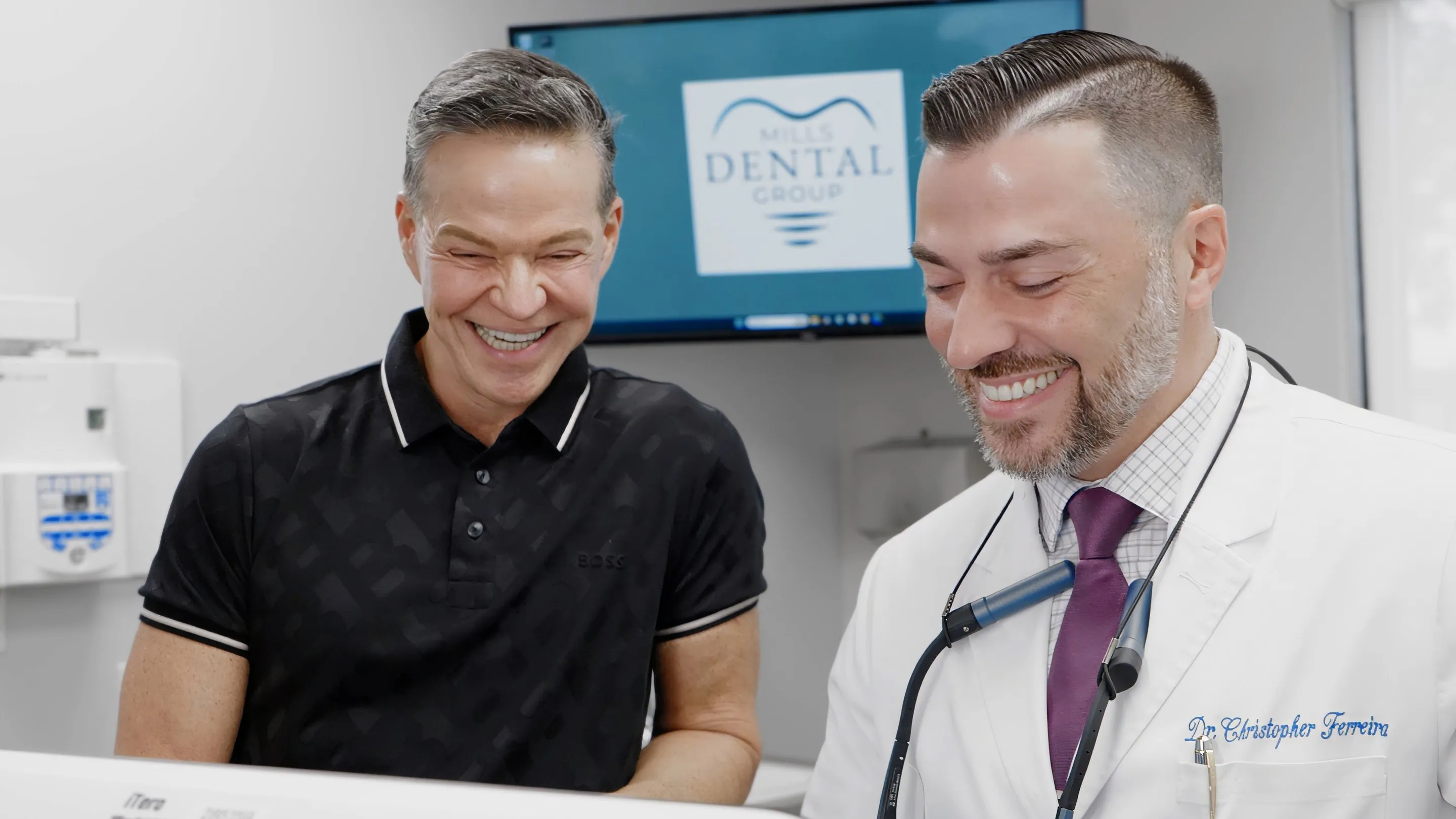
- Preparation. The tooth is numbed, any decay or old filling is removed, and the tooth is shaped so the crown can fit over it.
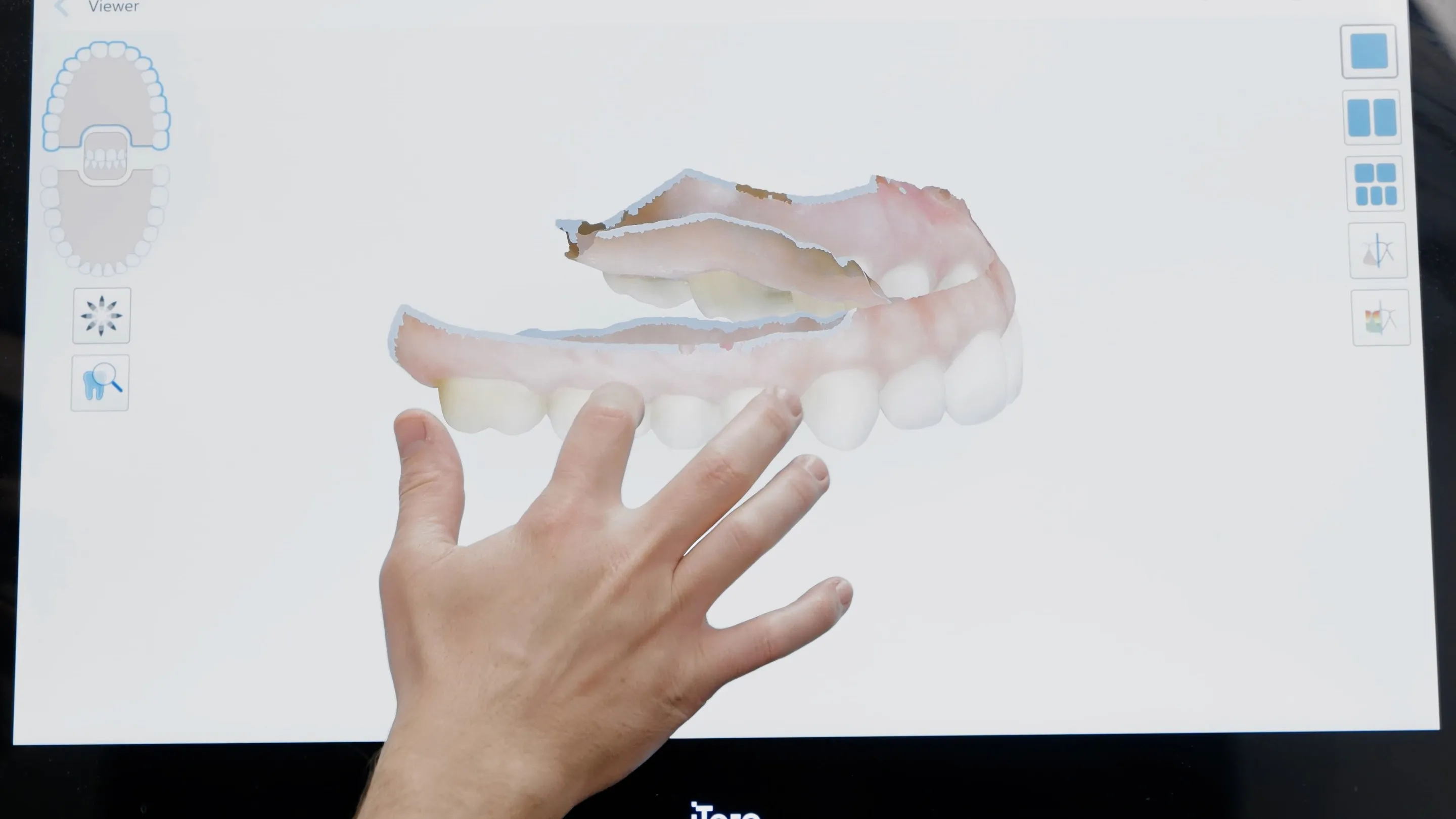
- A record of the tooth. A digital scan or a conventional impression captures the prepared tooth and the teeth around it, and the shade is matched.
- Temporary. A temporary crown protects the tooth while the permanent one is made.
- Fitting. At the second visit the temporary comes off, and the permanent crown is checked for fit, bite and color before it is cemented.
While in a temporary, avoid sticky foods that can pull it off, chew on the other side where possible, and slide floss out sideways rather than lifting it up through the contact.
Treat a crowned tooth like any other: brush twice a day with a fluoride toothpaste and floss daily, paying attention to the line where the crown meets the gum. That margin is where new decay starts, and it is checked at every cleaning and exam.
If you grind your teeth, a night guard protects crowns as well as natural teeth. Avoid chewing ice, pens and hard candy. A crown that feels high, loose or sharp, or a tooth that stays sensitive for more than a couple of weeks, is worth a call rather than waiting for the next check-up.
Frequently Asked Questions
How long do crowns last?
Many last a decade or considerably more. The usual reason for failure is not the crown itself but new decay at the margin where it meets the tooth, or gum disease around it.
Does getting a crown hurt?
The tooth is numbed for the preparation, so it should not be painful. Some tenderness and sensitivity to cold afterward is common, especially if the tooth was already inflamed, and usually settles within a few days.
Can a crowned tooth get a cavity?
The crown cannot decay, but the natural tooth beneath and around it can — which is why the margin needs careful brushing and flossing like any other tooth.
What if my temporary crown comes off?
Call the office. Keep the temporary, and avoid chewing on that side. A prepared tooth left uncovered can become sensitive and the teeth around it can shift slightly, which affects how the permanent crown fits.
Will a crown look like my other teeth?
Tooth-colored crowns are shaded to match the teeth around them. If you plan to whiten your teeth, do it before the crown is made — a crown does not change color with whitening.
Do I need a crown after a root canal?
A back tooth usually does. Once the pulp is removed the tooth becomes more brittle, and a crown protects it from fracturing under chewing force. Front teeth take less force and sometimes need only a filling.