


An implant is a titanium post placed into the jawbone to take the place of a missing tooth root. Bone grows against and bonds to it over several months — a process called osseointegration — and once it is stable it carries a crown, a bridge, or a denture.
This is the feature no other option shares. Bone is maintained by being loaded, and where a tooth is lost the bone that held it gradually resorbs. An implant restores that loading, which is why it preserves the shape of the jaw in a way a bridge or a denture cannot.
A missing tooth is rarely only a gap. The teeth either side tend to drift and tilt into the space, the tooth opposite can over-erupt with nothing to bite against, and chewing shifts onto teeth that were not built to carry the extra load. Replacing the tooth — by whatever means — stops that slow rearrangement.
What an implant can carry
The implant itself sits below the gum. What you see and chew with is the restoration fixed to it, and that depends on how many teeth are missing.
- A single crown replaces one tooth. It stands on its own implant and leaves the neighboring teeth untouched.
- An implant-supported bridge replaces several teeth in a row from two or more implants, without needing an implant for every missing tooth.
- An implant-retained denture clips onto implants rather than resting on the gum alone, which deals with the looseness that frustrates many full-denture wearers.
The crown on an implant is made much like a crown on a natural tooth, shaded and shaped to match the teeth around it.
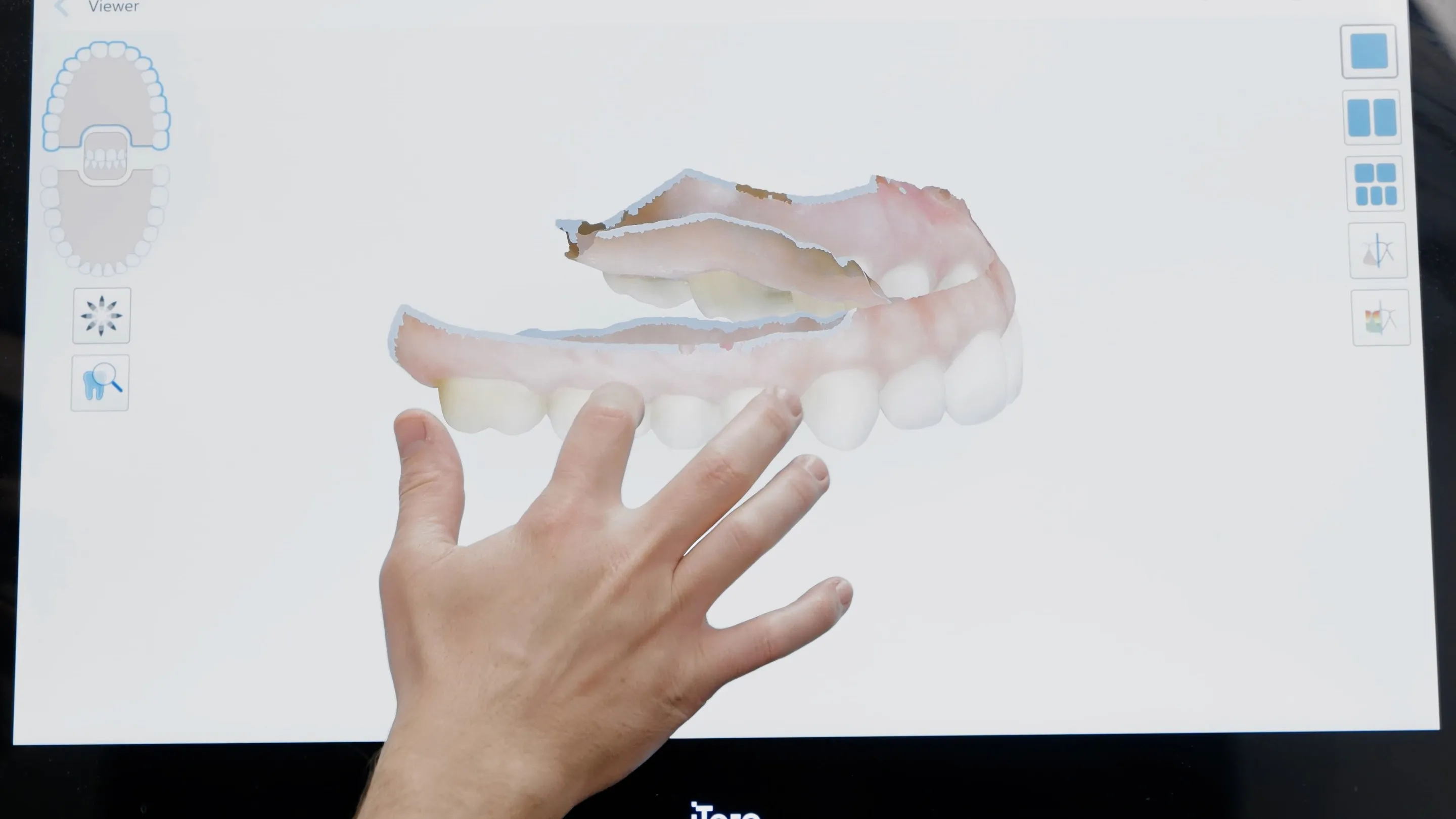
What is involved
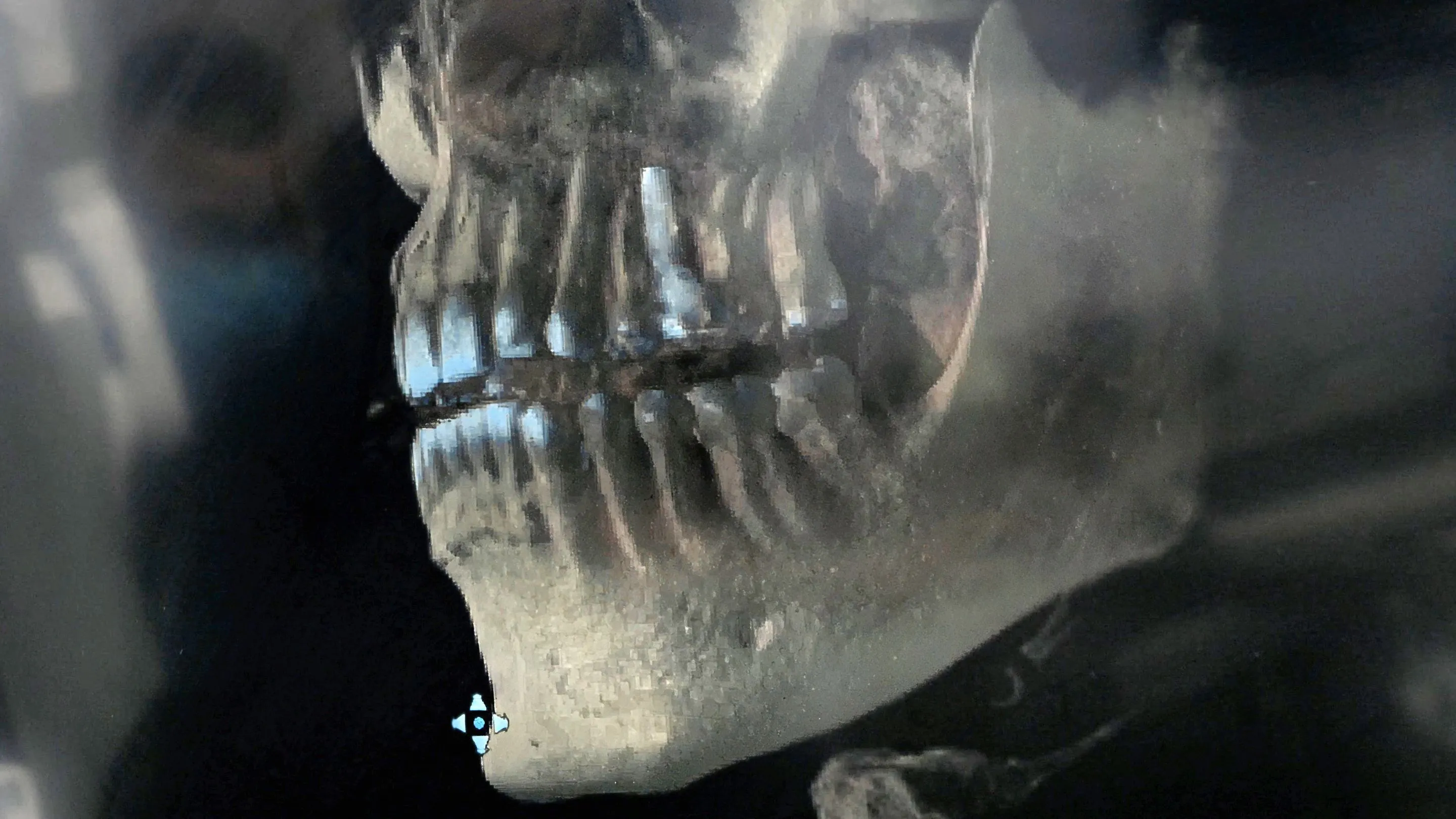
- Assessment. An examination, and normally a 3D cone beam scan, which measures the height, width and density of the available bone and locates the nerve canal and the sinus before anything is placed.
- Preparation, if needed. A failing tooth may need to be extracted first. Where there is not enough bone, grafting or a sinus lift may be needed before the implant, which extends the timeline.
- Placement. The post is placed surgically under anesthetic, and the gum is closed over or around it.
- Integration. The implant is left to bond with the bone — commonly a few months — and a temporary may be worn meanwhile.
- Restoration. Once it has integrated, an abutment and the final crown, bridge or denture are fitted and the bite is checked.
Who is a candidate
The requirements are adequate bone, healthy gums and reasonable general health. Uncontrolled diabetes, smoking, untreated gum disease and some medications — particularly certain bone medications — all affect healing and long-term success, and are worth raising at the consultation.
An examination and a scan answer the question properly. Where there is not enough bone, grafting often makes an implant possible that would otherwise not be. Where an implant is not the right choice, a bridge or a partial or full denture replaces the tooth instead — the restorative dentistry page sets the options side by side.
Bring a list of your medications and any recent medical history to the first appointment. It is the part of the assessment that most often changes the plan.

Looking after an implant, and what it costs
An implant cannot decay, but the gum and bone around it can become inflamed in much the same way as around a natural tooth. Brush twice a day, clean between the teeth with floss, an interdental brush or a water flosser, and keep up regular cleanings and exams so any early inflammation is caught. Smoking raises the risk of problems considerably.
An implant usually costs more up front than a bridge or a denture, and what it costs depends on how many implants are needed, whether grafting comes first and what is fitted on top. Ask for a written estimate before treatment starts; the financial options page explains how payment works.

Frequently Asked Questions
How long does the whole process take?
Commonly several months from placement to the final restoration, because the bone needs time to bond to the implant. Bone grafting, where it is needed, adds to that.
Is it painful?
The placement is done under anesthetic. Most people describe the recovery as comparable to having a tooth extracted — some soreness and swelling for a few days, usually managed with over-the-counter pain relief.
How long do implants last?
Implants have a strong long-term track record, but they are not maintenance-free. Peri-implantitis — a gum-disease-like condition around the implant — can cause failure, so cleaning and regular check-ups matter. The crown on top can wear and may eventually need replacing on its own.
Am I too old for an implant?
Age itself is rarely the deciding factor. What matters is the amount and quality of bone available, the health of the gums, and general health conditions or medications that affect healing.
Will I be without a tooth while it heals?
Not usually. A temporary tooth — a removable partial, a bonded temporary or an adjusted denture — can normally be worn while the implant integrates, particularly for a front tooth.
Is an implant better than a bridge?
Neither is better in every case. An implant leaves the neighboring teeth untouched and preserves bone; a bridge is quicker and needs no surgery. If the teeth either side already need crowns, a bridge can make good sense. If they are healthy, that is a real argument for an implant.
Can an implant go in straight after an extraction?
Sometimes. Whether it can depends on how much bone remains around the socket and whether there is active infection. Often the socket is left to heal first, sometimes with a graft to preserve the bone for a later implant.