
A dental practice on North Mills Avenue
Mills Dental Group is a general dental practice at 1318 N Mills Ave in Orlando, Florida. It is a single practice rather than a group of offices, which in practice means you see the same people each visit and your history is not something that has to be re-explained.
Most of what happens here is everyday general dentistry — the cleanings and exams that catch a problem while it is still small, and the fillings that deal with it. When a tooth needs more than that, the work of a restorative dentist in Orlando, FL rebuilds it: crowns, bridges, implants and dentures. Younger patients are seen for children's dentistry, from a first visit through to the habits that decide how much dentistry they need later.
Practical things — what to bring, how payment works, what a first appointment involves — are collected under patient information.
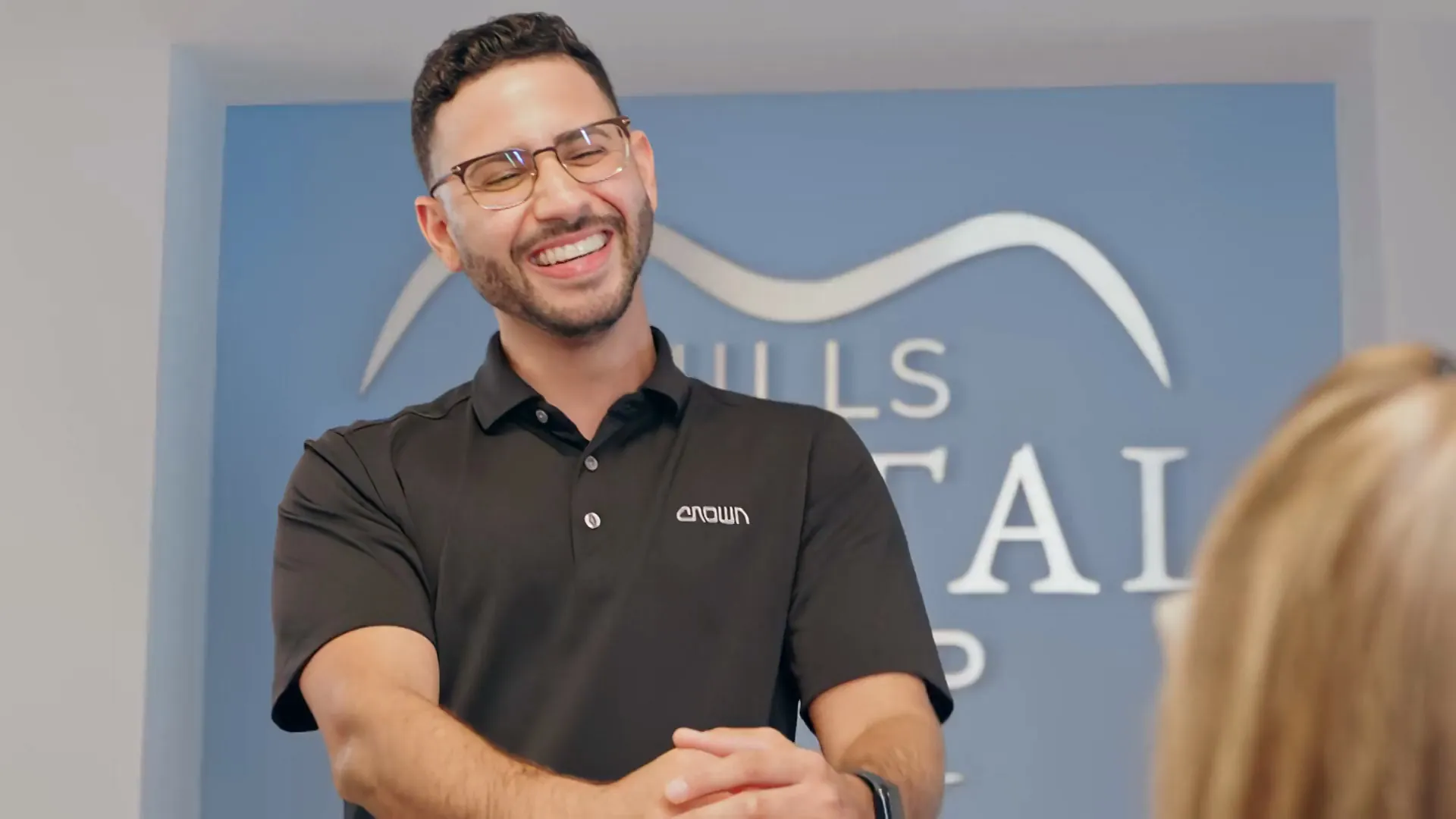
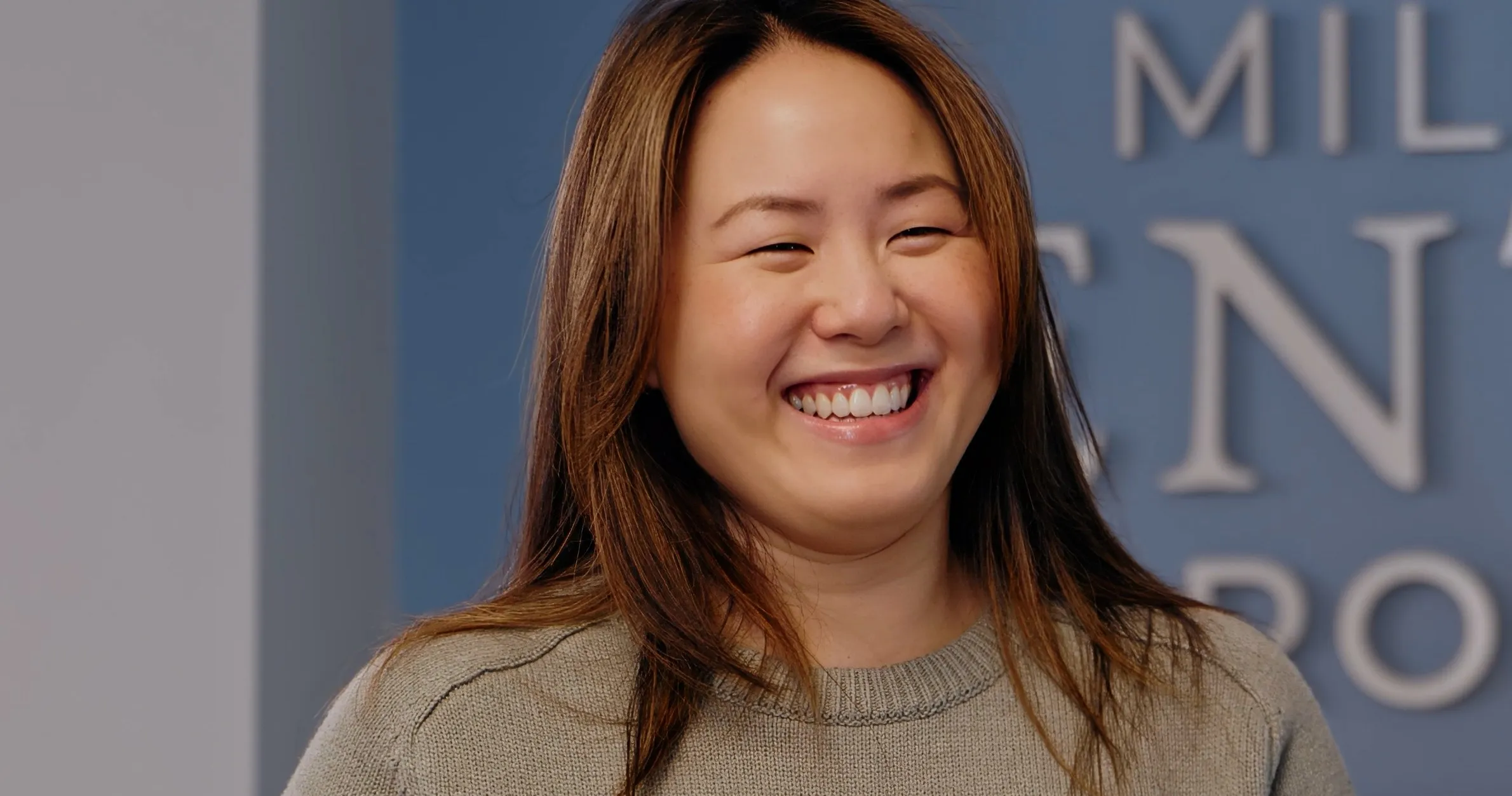
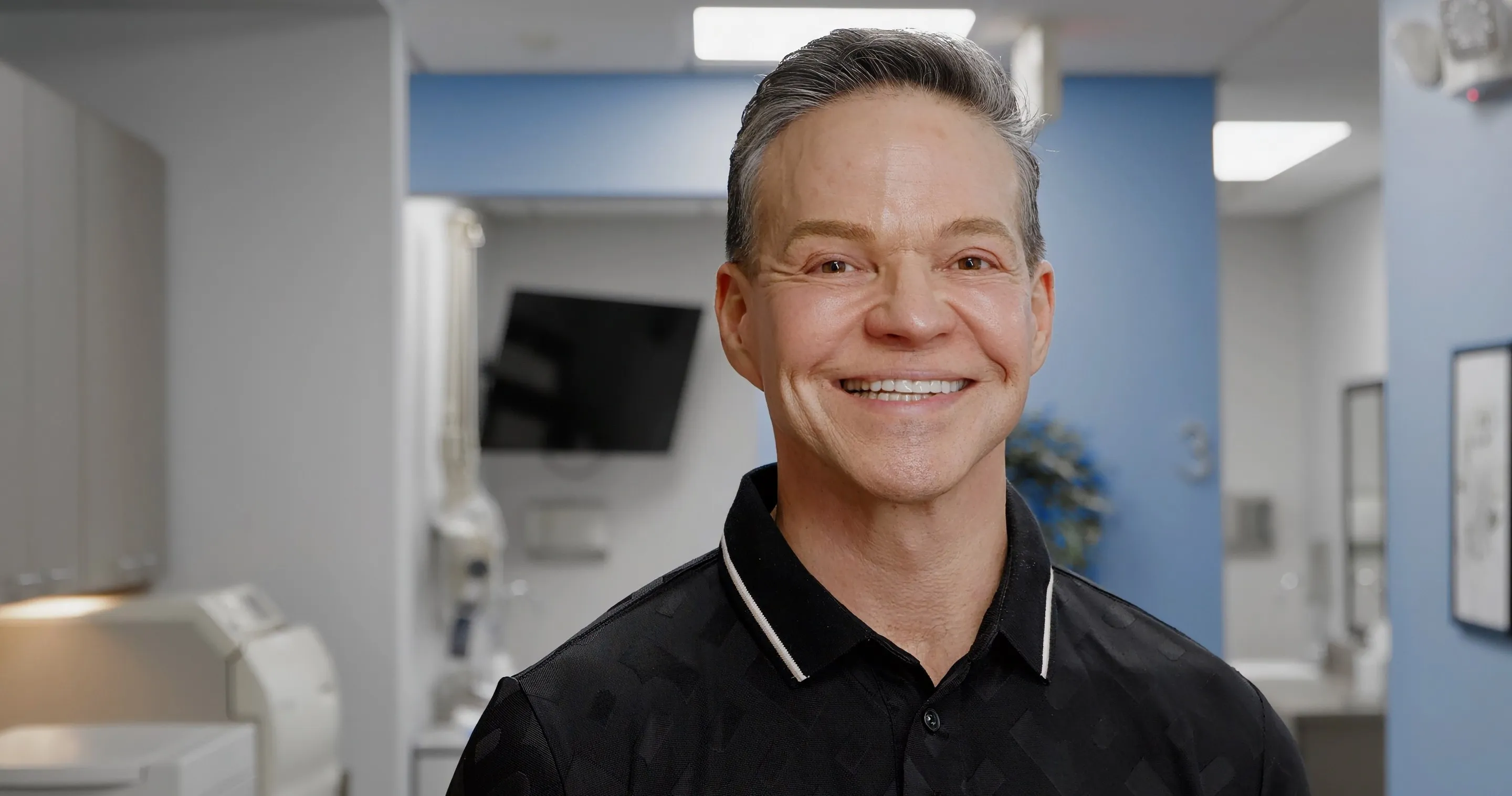
Hear it from our patients
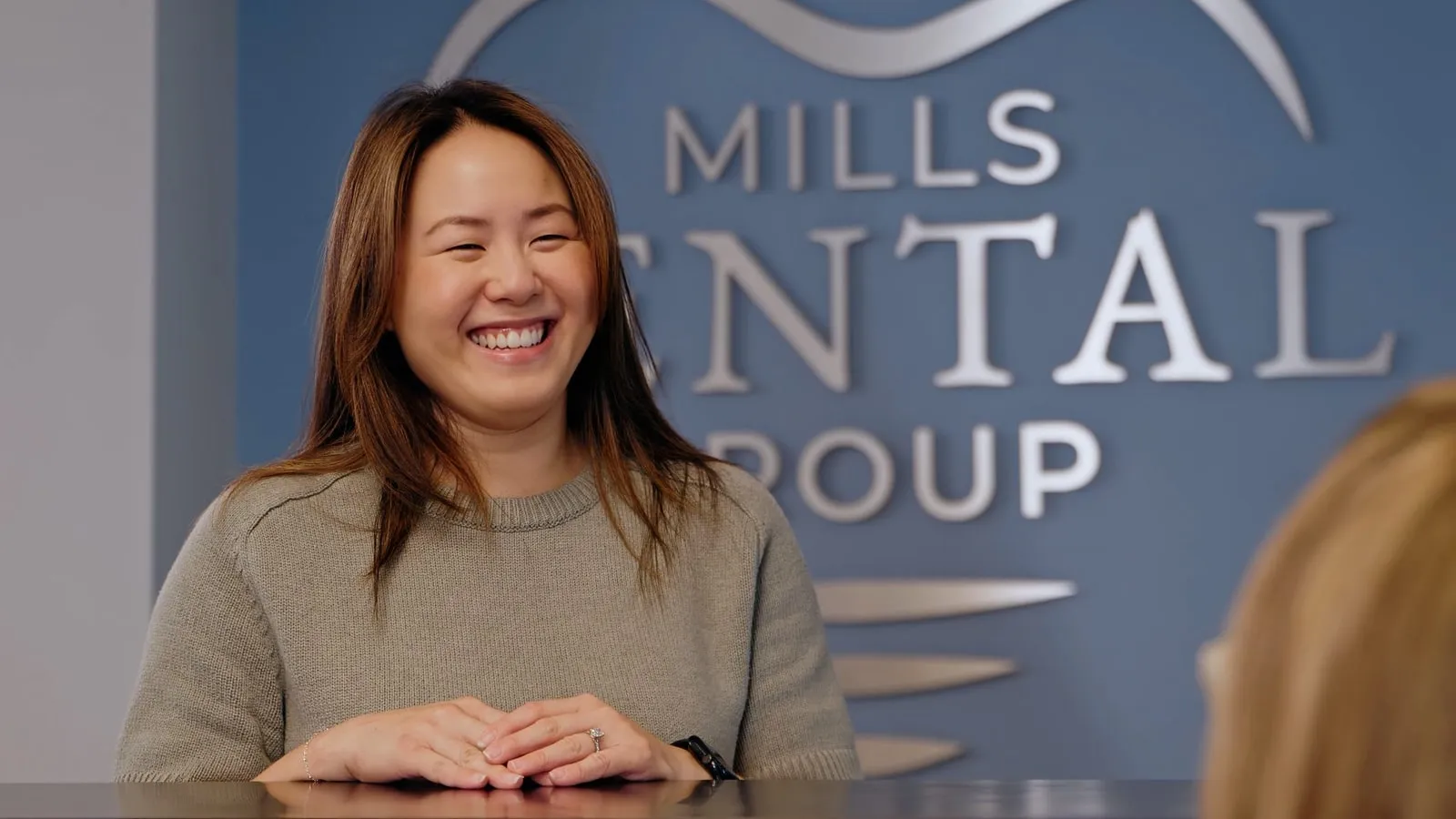
Short video reviews from patients who have been coming here for years.
Dental Care Designed Around You
One Orlando practice for the whole family — routine care that keeps small problems small, the work that rebuilds a tooth when it does not, and someone to call when something goes wrong.
General Dentistry
Cleanings, exams and the everyday care that catches problems while they are still small and inexpensive to fix.
Cosmetic Dentistry
Whitening, bonding, porcelain veneers and clear aligners from an Orlando, Florida cosmetic dentist — for changing the color, shape or alignment of a smile.
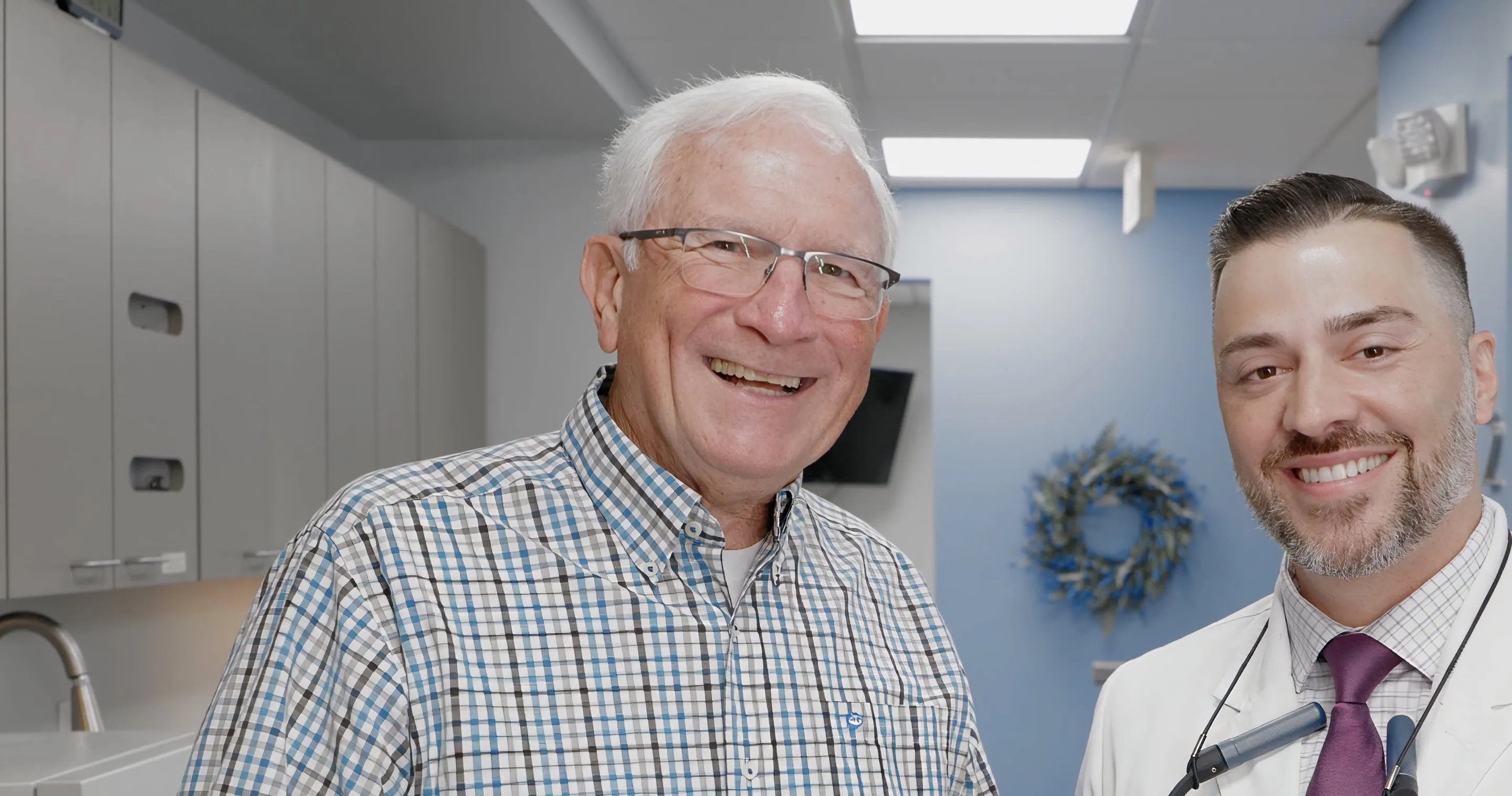
Restorative Dentistry
Fillings, crowns, bridges, implants and dentures to rebuild teeth that are damaged, or replace ones already lost.
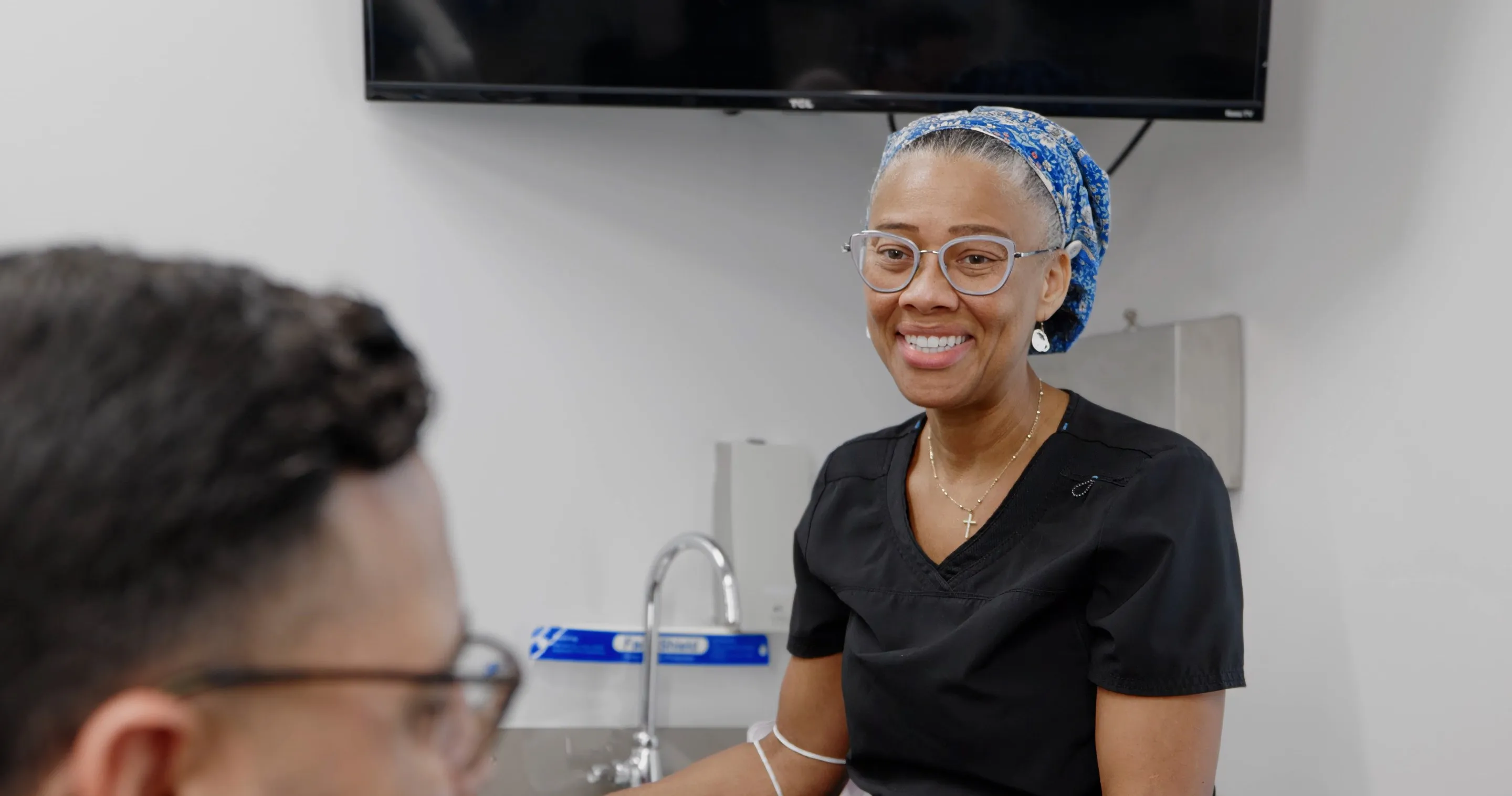
Children's Dentistry
First visits, preventive care and the habits that decide how much dentistry a child needs as an adult — an Orlando, FL childrens dentist for the whole family.
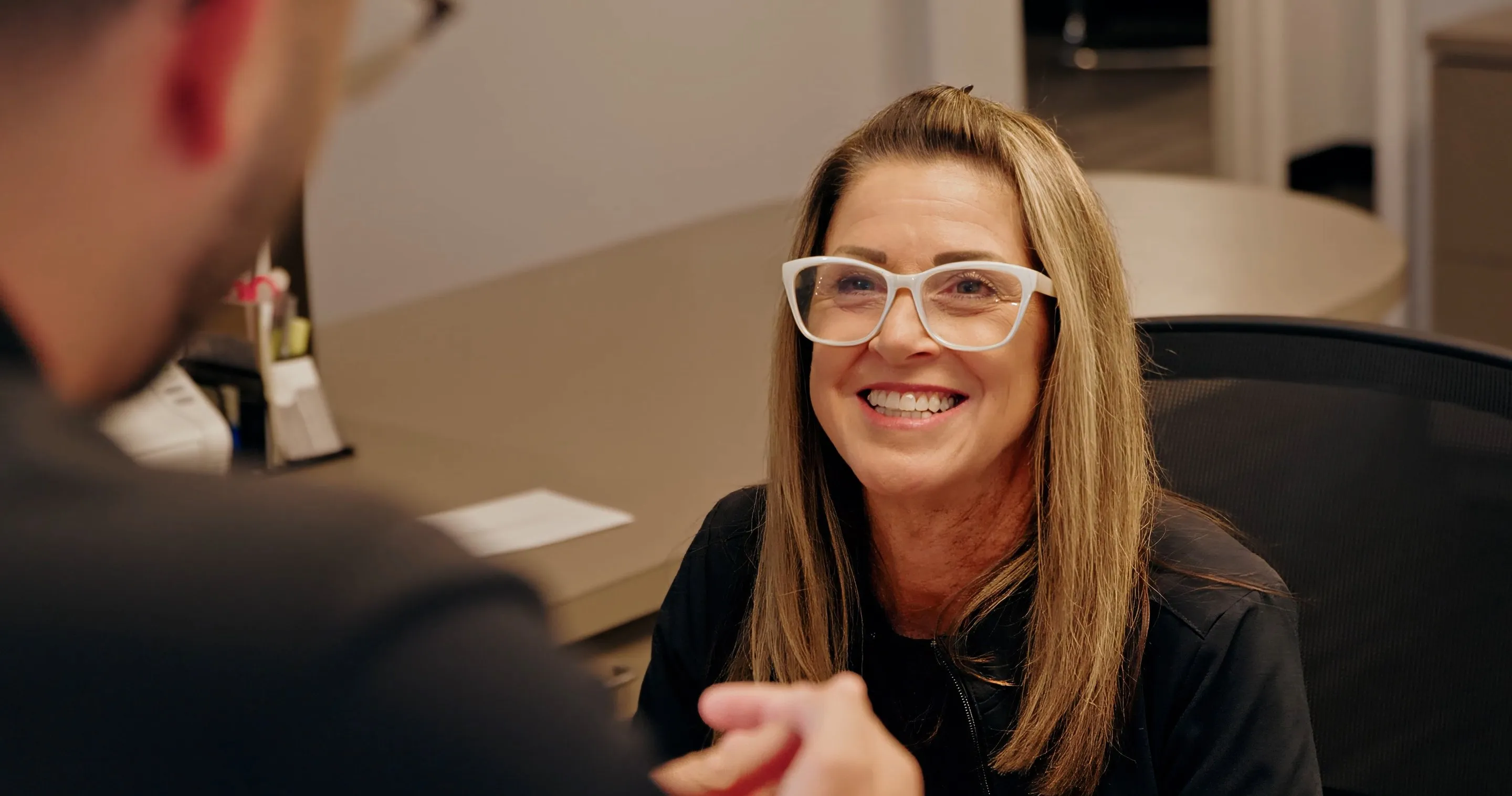
Emergency Dentistry
Severe pain, swelling, a knocked-out tooth or a broken restoration — what to do first, and how to be seen.
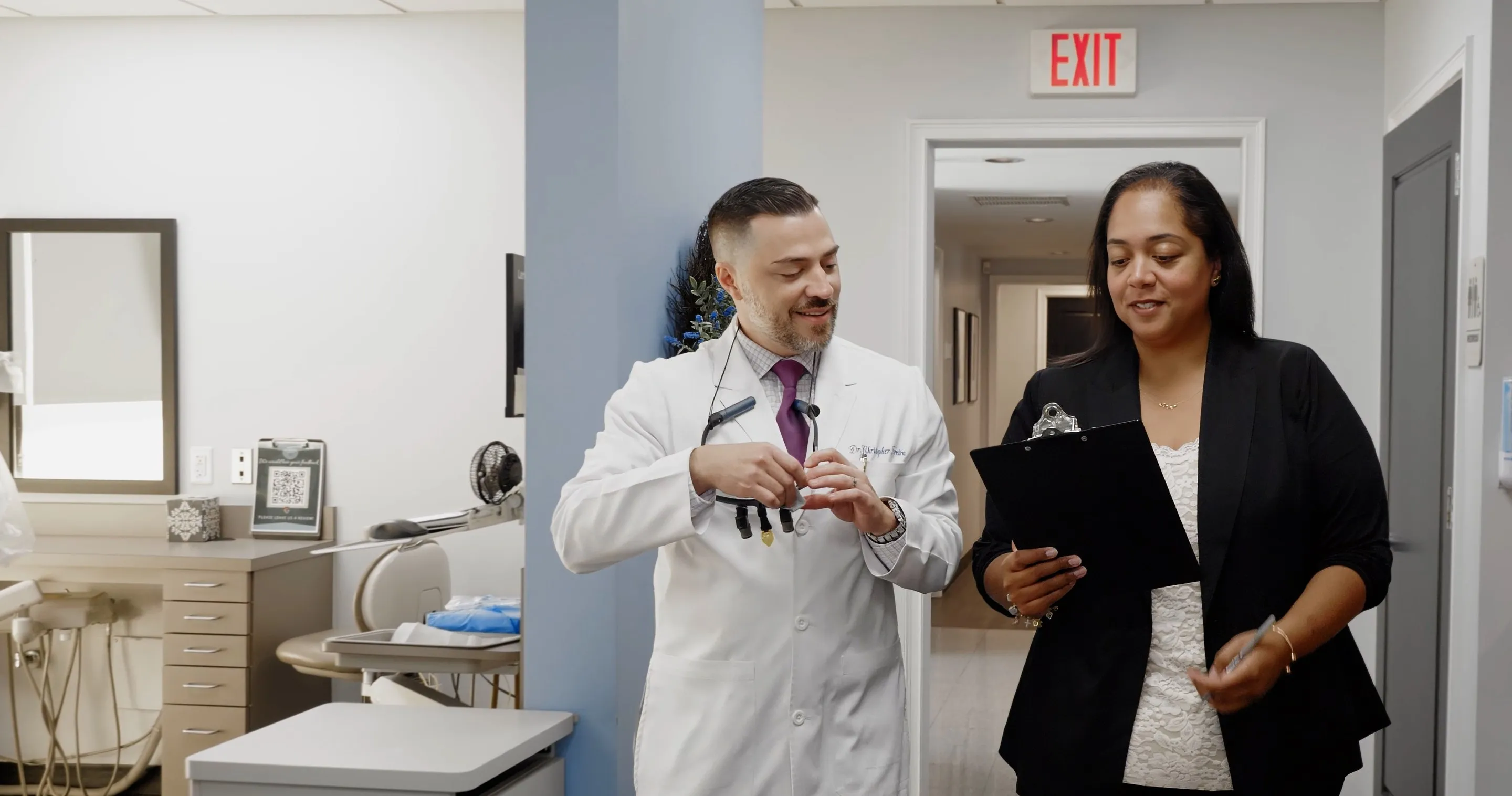
Dental Technology
Digital X-rays, 3D cone beam imaging, intraoral cameras and digital scanning instead of impression trays.
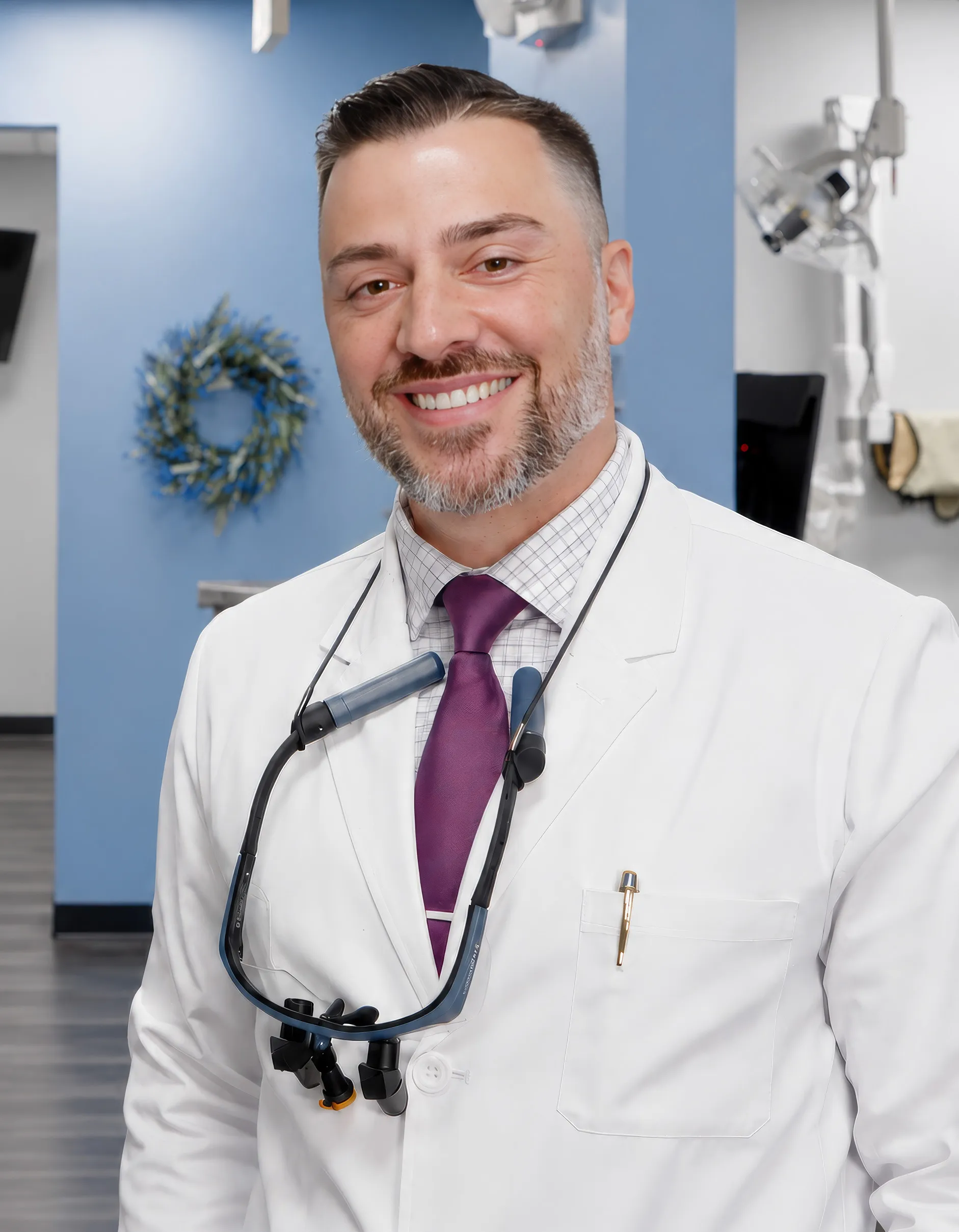
Meet Dr. Christopher Ferreira
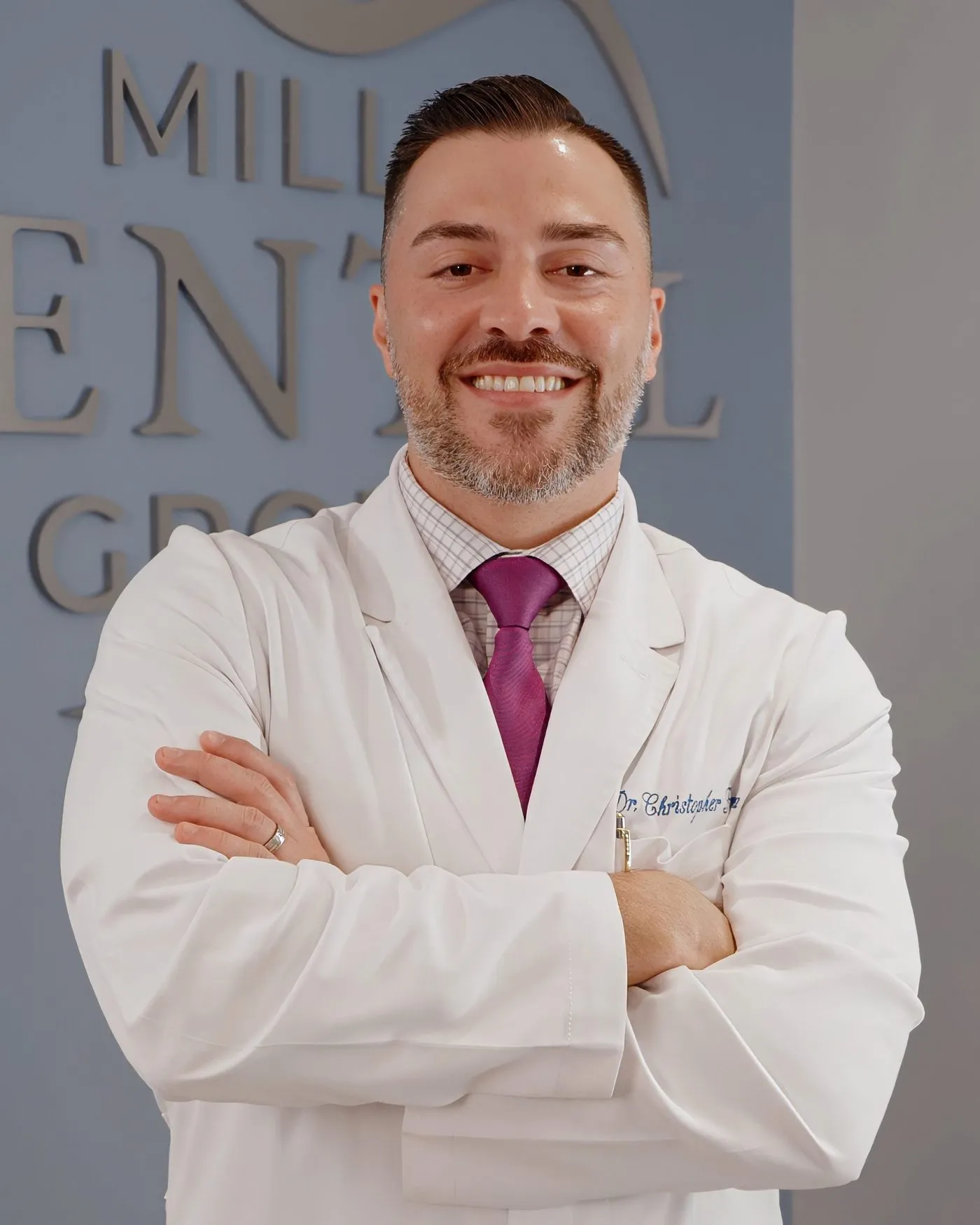
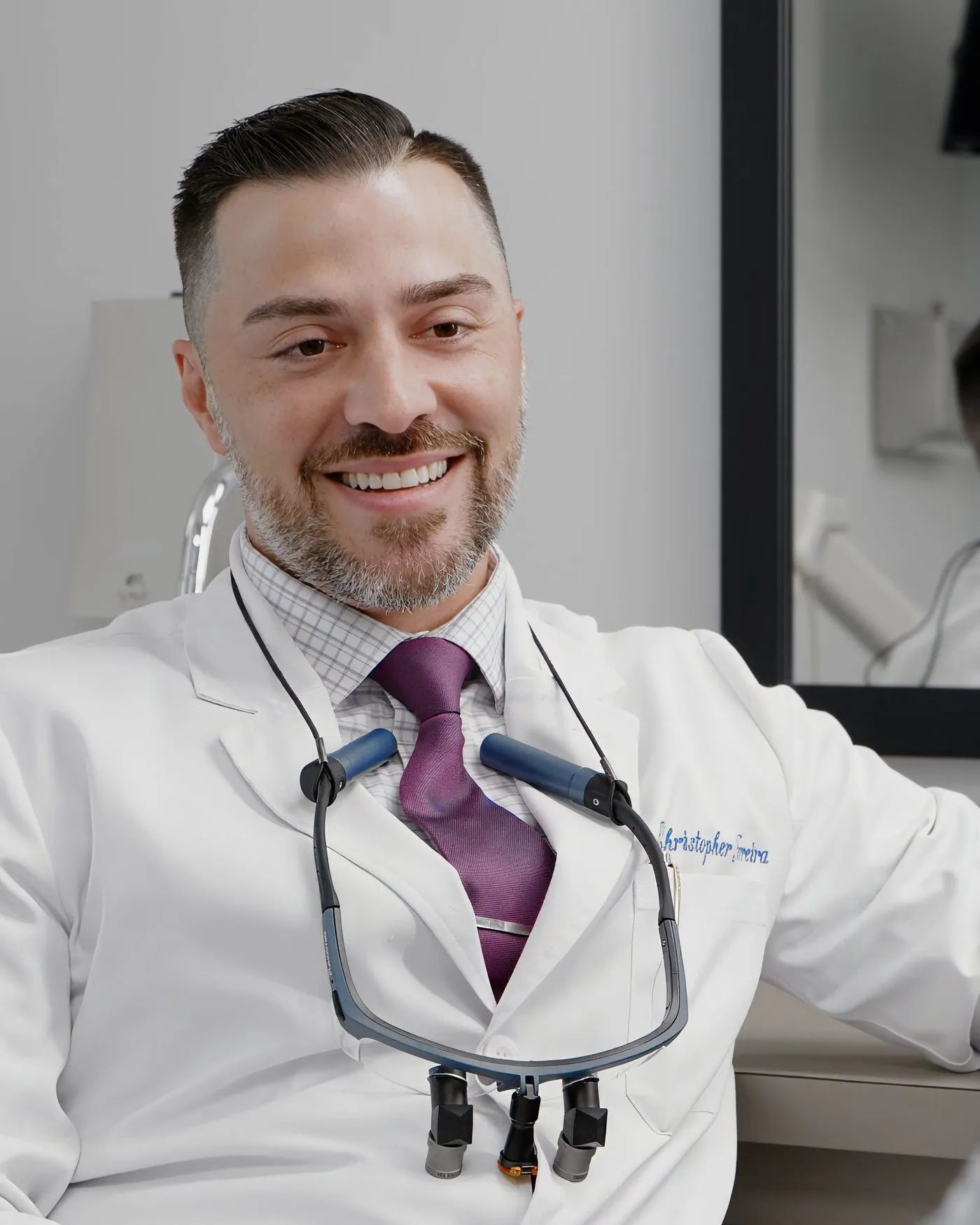
Dr. Christopher Ferreira, DMD, grew up in Orlando and has practiced here since. He sees patients of every age, from a child's first visit through to implants and other restorative work.
That range matters more than it sounds. A practice that treats a family across decades sees the same mouths change, which is a different kind of knowledge from meeting someone once — it is what makes it possible to say whether a tooth is stable or quietly getting worse.
Day to day the work runs from cleanings and exams through to cosmetic treatment such as Invisalign clear aligners and whitening, and the emergency care nobody plans for.
What happens at a first visit
Most first appointments follow the same shape. A full set of X-rays, an examination of the teeth, gums and soft tissue, and a cleaning where the gums allow one — then a conversation about anything found, what it means, and what it would cost to deal with.
Nothing is decided in the chair. You leave knowing what was found and what the options are, and you decide from there — including what it costs, which is covered under financial options. New patient paperwork is on the new patient forms page.
The equipment behind the diagnosis
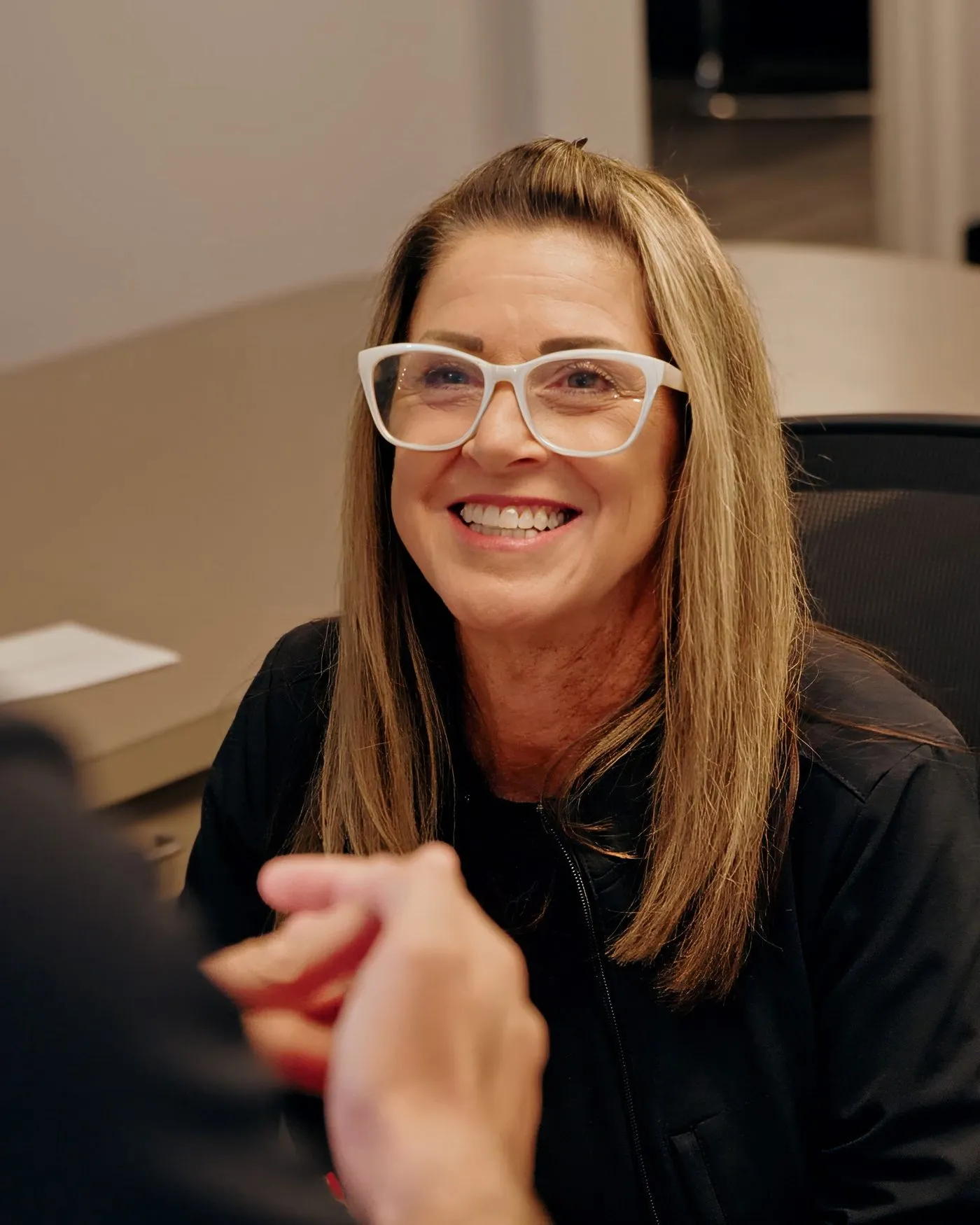
Most dental technology exists to do one of three things: see more clearly, expose you to less radiation, or replace something uncomfortable with something that is not. Better images mean problems are found earlier, and earlier usually means a smaller intervention.
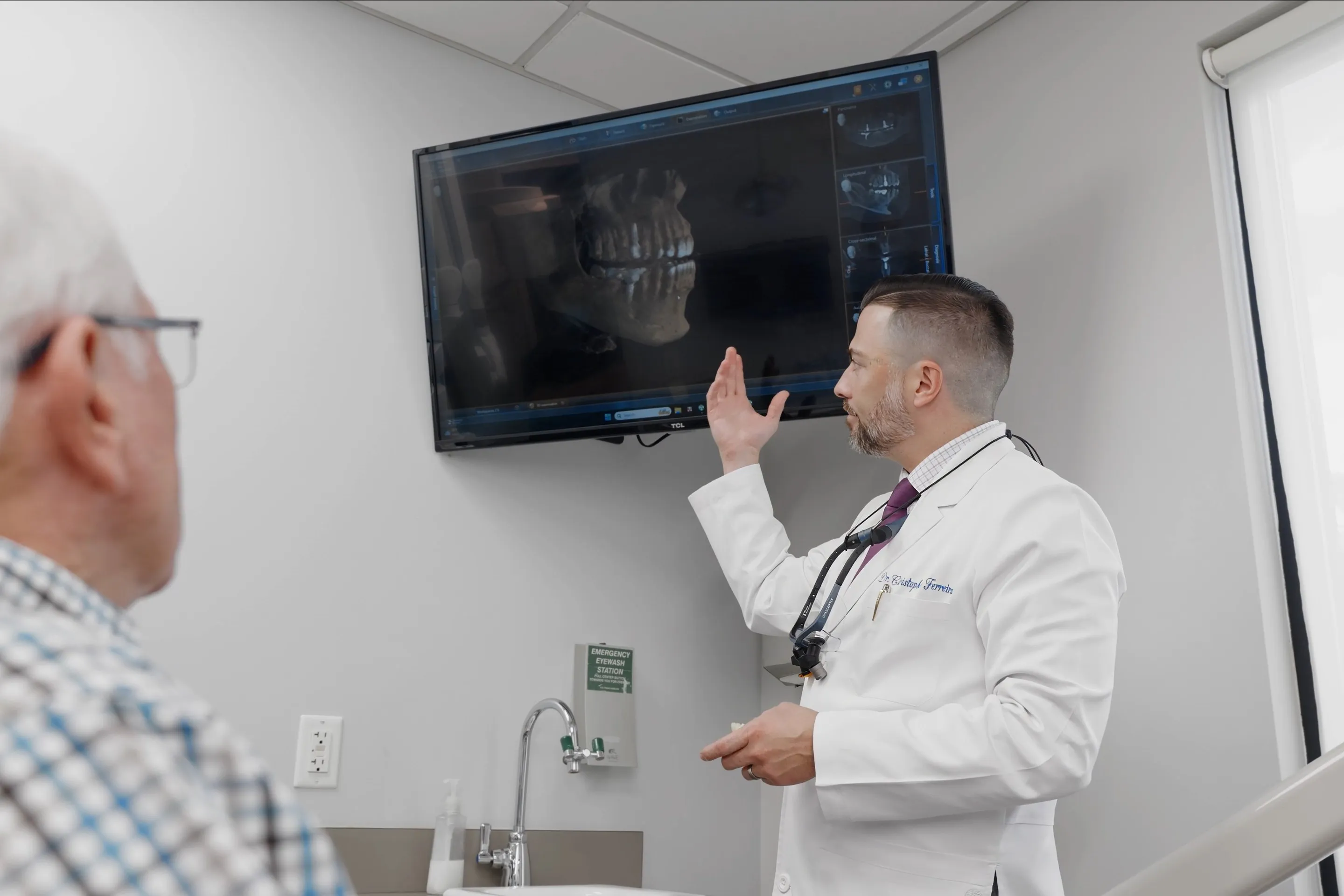
Digital X-rays appear on screen in seconds and need substantially less radiation than the film they replaced. 3D cone beam imaging captures a volume rather than a flat picture, which is what makes implant planning precise about where bone and nerves actually are. An intraoral camera puts a magnified photograph of your own tooth on a screen, so a cracked filling is something you can see rather than something described to you. A digital scanner replaces the tray of putty for crowns, night guards and aligners.
Paying for treatment
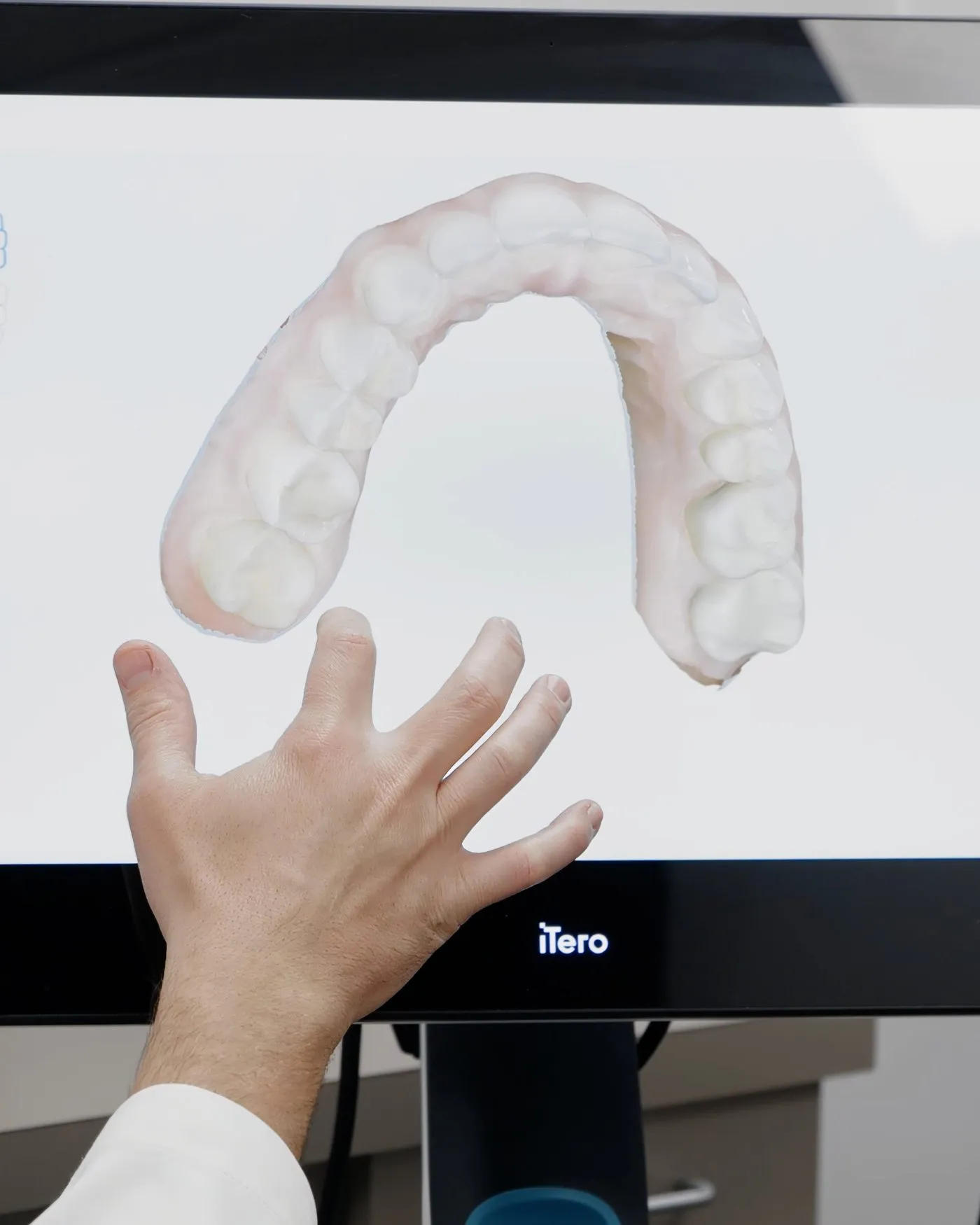
Cost is the reason most people put off dental work, and it is easier to decide when the number comes before the appointment rather than after it. The detail lives on the financial options page. Ask for an estimate in writing — for anything beyond a check-up it should be normal, not awkward.
If something is wrong right now
Severe or worsening toothache, facial swelling, a knocked-out tooth, a fracture with pain, bleeding that will not stop, or a lost crown leaving a sharp edge — call rather than wait. Swelling that spreads toward the eye or under the jaw, or any difficulty breathing or swallowing, is a medical emergency rather than a dental appointment.
For a knocked-out permanent tooth, handle it by the crown and not the root, and keep it in milk or saliva. It is time-critical. For a broken tooth, rinse with warm water and use a cold compress on the outside of the cheek. Do not hold aspirin against the gum — it burns the tissue.
Memberships and certifications




Frequently Asked Questions
How often should I have a check-up?
For most people every six months works well, but the right interval depends on your own risk of decay and gum disease. Your dentist will recommend one after a first examination.
What should I do in a dental emergency?
Call the practice as soon as you can. For a knocked-out permanent tooth, handle it by the crown rather than the root and keep it in milk or saliva — it is time-critical. For a broken tooth, rinse with warm water and use a cold compress.
Do you see children?
Yes. Guidance is that a child should be seen by their first birthday, or within six months of the first tooth appearing — largely so the dentist is familiar before anything needs doing.
What happens at a first appointment?
Usually a full set of X-rays, an examination of the teeth, gums and soft tissue, and a cleaning — then a conversation about anything found and what, if anything, needs doing.
Does a cleaning hurt?
For most people it is uncomfortable at worst. If your gums are inflamed or you have sensitivity, say so at the start — the appointment can be adjusted around it.
I have not been to a dentist in years. Is that a problem?
It is common and it is not a problem. More hardened tartar takes longer to remove and sometimes needs more than one visit, but the process is the same and nobody is going to lecture you about it.
Are dental X-rays safe?
The dose from a routine dental X-ray is very small — a fraction of the background radiation everyone receives from the environment each year — and digital sensors need less of it than the film they replaced.
How long do fillings and crowns last?
It varies far more with the size of the restoration, your bite and how well the area is kept clean than with the material itself. The usual reason either fails is new decay at the margin, not the restoration breaking.
What Is Baby Bottle Tooth Decay, and How Can You Prevent It?
Learn what causes baby bottle tooth decay, which habits raise the risk, and simple bedtime, cup and brushing steps that protect kids' teeth.
What to expect at a first dental visit
A first appointment is mostly looking and listening. Here is what actually happens, how long to allow, and what to bring.
What to do about a toothache
Practical first aid for dental pain, what actually helps, what makes it worse, and the symptoms that mean you should not wait.