

What it actually treats
Inside every tooth is a chamber of soft tissue — the pulp — containing the nerve and blood supply. Deep decay, a crack or repeated dental work can let bacteria reach it. Once infected, the pulp cannot heal, and the infection spreads out through the root tip into the surrounding bone.
Root canal treatment removes the infected pulp, disinfects and shapes the canals, and seals them. The tooth stays; only the pulp is removed. A fully grown tooth does not need its pulp to function — it is nourished by the tissues around the root.
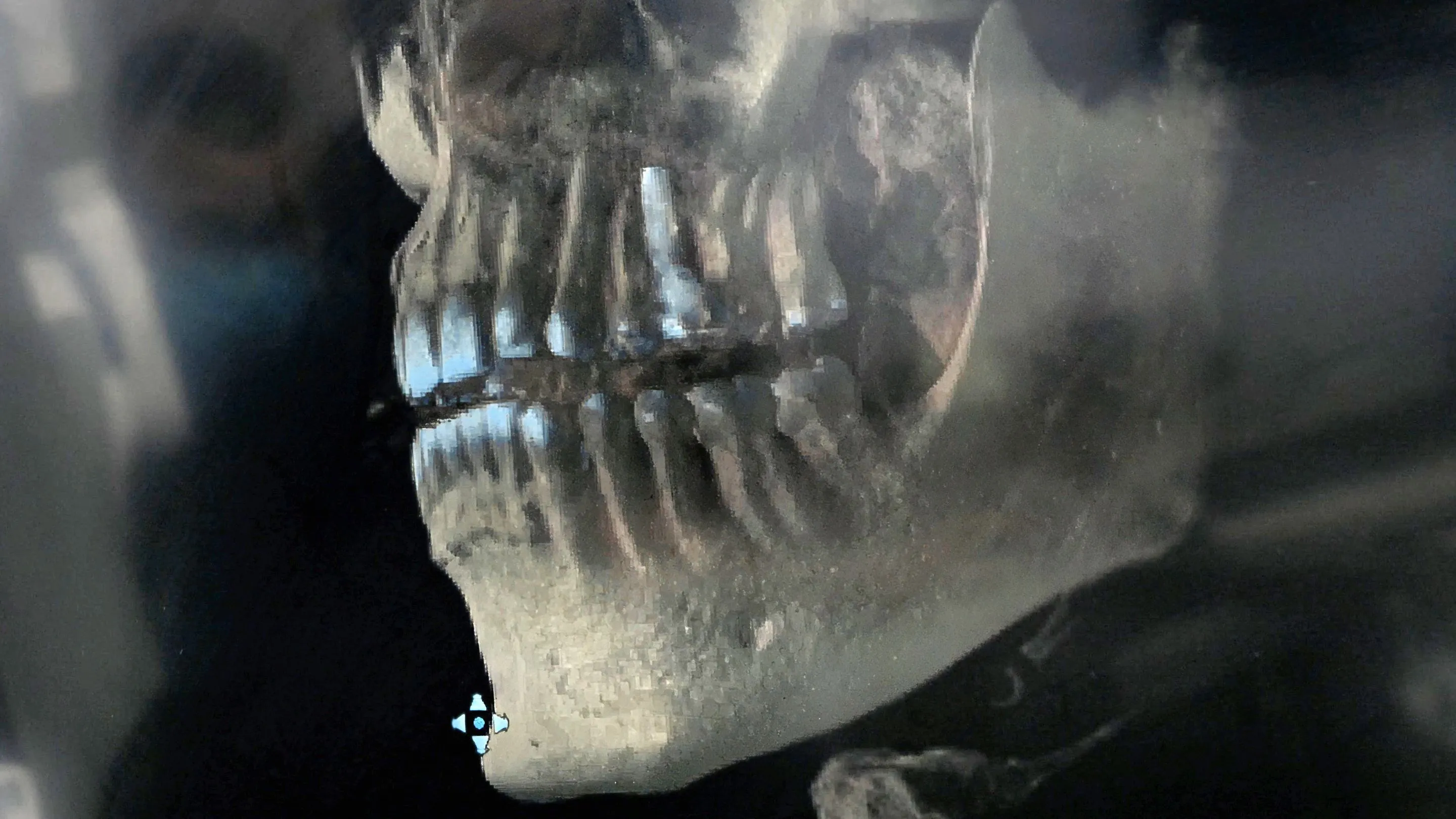
The usual signs are a severe or throbbing toothache, pain when biting, sensitivity to hot or cold that lingers after the drink is gone, a tooth that has darkened, or a small swelling on the gum. Some infected teeth cause no symptoms and are found on an X-ray. Facial swelling, or pain that keeps you awake, is a reason to call straight away — see emergency dentistry.
The reputation is out of date
Root canal treatment has a reputation for pain that comes from the condition, not the procedure. What hurts is the infected pulp — that is what brings people in.
The treatment is done under anesthetic and is broadly comparable to having a filling placed, though it takes longer. The relief afterward is the point.
In outline, the treatment goes like this:
- The tooth is numbed and isolated with a thin sheet, the dental dam, which keeps it clean and dry.
- A small opening is made through the top of the tooth to reach the pulp chamber.
- The infected pulp is removed and the canals are cleaned, shaped and disinfected.
- The canals are filled and sealed, and the opening is closed with a filling.

Afterward
Some tenderness to biting for a few days is normal, and is usually managed with over-the-counter pain relief. Avoid chewing hard food on that side until the tooth has its final restoration. Pain or swelling that gets worse rather than better is a reason to call.
A treated tooth has lost its internal blood supply and becomes more brittle, so a back tooth is usually crowned afterward to stop it fracturing. Leaving it unprotected is a common reason treated teeth are eventually lost. After that, the tooth is cared for like any other — brushing, cleaning between the teeth, and regular check-ups.

Not every tooth can be treated. A tooth with a crack running into the root, or too little sound structure left to restore, may need to be extracted instead. The gap is then usually replaced with an implant, a bridge or a partial denture.
Where a tooth is restorable, keeping it is generally the better outcome — a natural tooth keeps the bone and gum around it healthy in a way a replacement only partly can. The restorative dentistry page sets out the options side by side.
Frequently Asked Questions
Does a root canal hurt?
The treatment is done under local anesthetic and most people find it comparable to having a filling, though it takes longer. What hurts is the infected pulp beforehand, and relief from that pain is the point of the treatment.
Is it better to just extract the tooth?
Extraction is cheaper up front, but the gap then usually needs replacing with a bridge or an implant, which often costs more than the root canal and crown would have. Keeping a natural tooth is generally preferred where it is restorable.
Will the tooth darken?
Front teeth sometimes discolor after treatment. Internal bleaching, a veneer or a crown can address it.
What are the signs I might need one?
Severe or throbbing toothache, pain on biting, sensitivity to hot or cold that lingers after the drink is gone, a tooth that has darkened, or a swelling or pimple on the gum near a tooth. Sometimes there are no symptoms at all and the infection is found on an X-ray.
How long does a root-canal-treated tooth last?
With a good seal and a crown where one is needed, a treated tooth can last for many years, often a lifetime. The most common reasons one is lost later are fracture of an unprotected back tooth and new decay.
Can I take antibiotics instead?
Antibiotics do not cure an infected pulp, because they cannot reach inside a tooth that has lost its blood supply. They are sometimes used alongside treatment when an infection is spreading, but the source still has to be removed.