

Grinding does its damage quietly
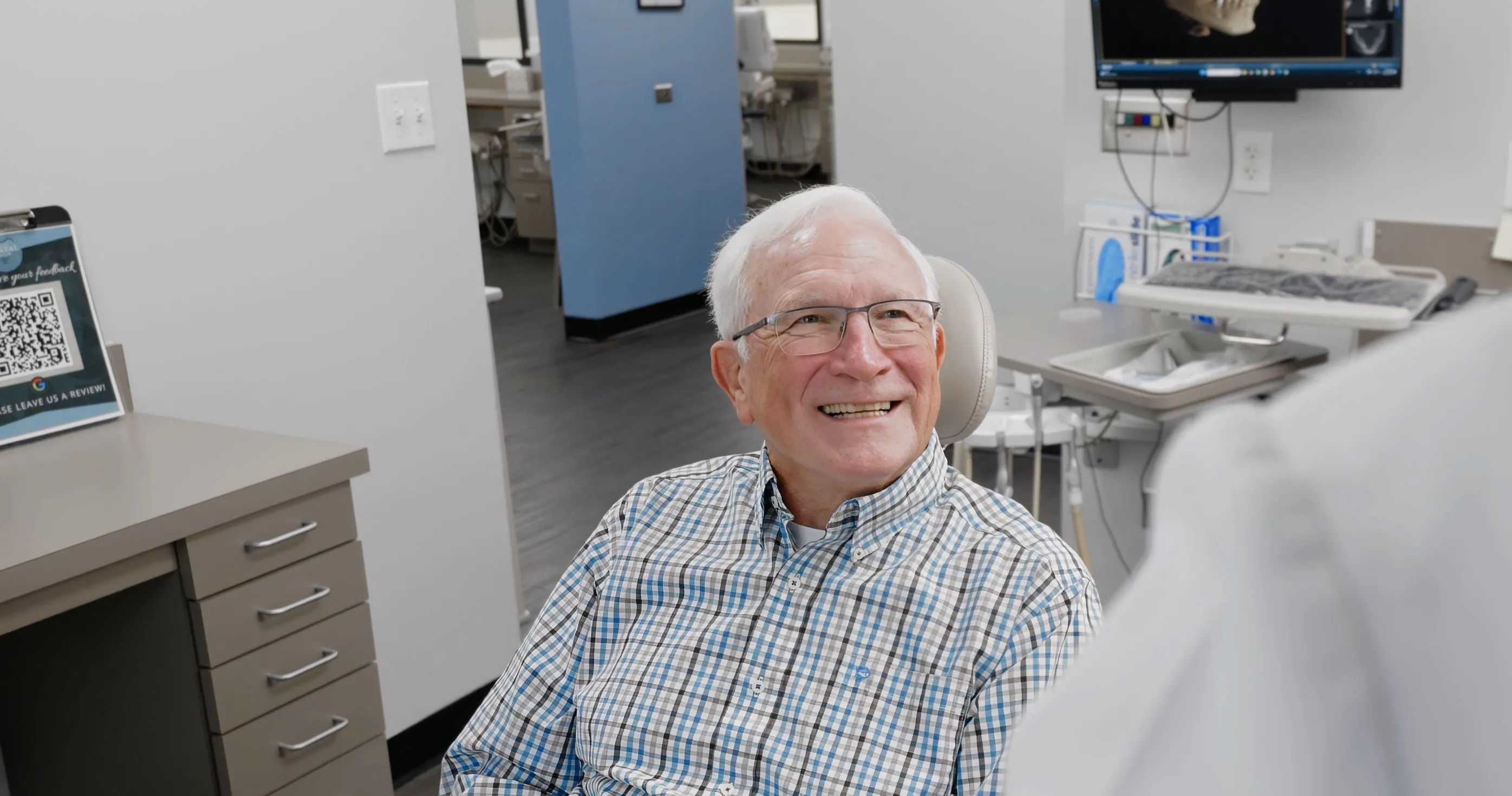
If you regularly grind your teeth at night, you may be doing serious damage to your smile over time. Bruxism — grinding or clenching the teeth, usually during sleep — generates far more force than normal chewing, and it does so for hours without the feedback that would normally make you stop.
The signs are often noticed before the cause: flattened or chipped edges, increased sensitivity, aching jaw muscles on waking, headaches around the temples, or a partner who hears it. Over years the wear can shorten teeth, crack fillings and crowns, and strain the jaw joints.
Grinding is common and its causes vary — stress, sleep and breathing problems, some medications, caffeine and alcohol, and the way the teeth meet can all play a part. A dentist will often spot the wear at a routine exam before you have noticed anything yourself.

A night guard is a custom appliance worn over the upper or lower teeth during sleep. It does not stop the grinding — that is usually driven by stress, airway issues or bite factors — but it puts a replaceable layer between the upper and lower teeth, so the appliance absorbs the wear instead of the enamel.
It also tends to reduce muscle soreness, because the jaw cannot clench into quite the same position, and the smooth surface lets the teeth glide rather than lock together. Replacing a worn guard every so often is far simpler, and far less expensive, than rebuilding worn or cracked teeth.
Custom versus over-the-counter
A drugstore boil-and-bite guard is bulky, fits loosely and is often chewed through quickly. Because it is shaped by biting into softened plastic, it can also hold the jaw in an awkward position, and a guard that is uncomfortable is a guard that ends up in a drawer.
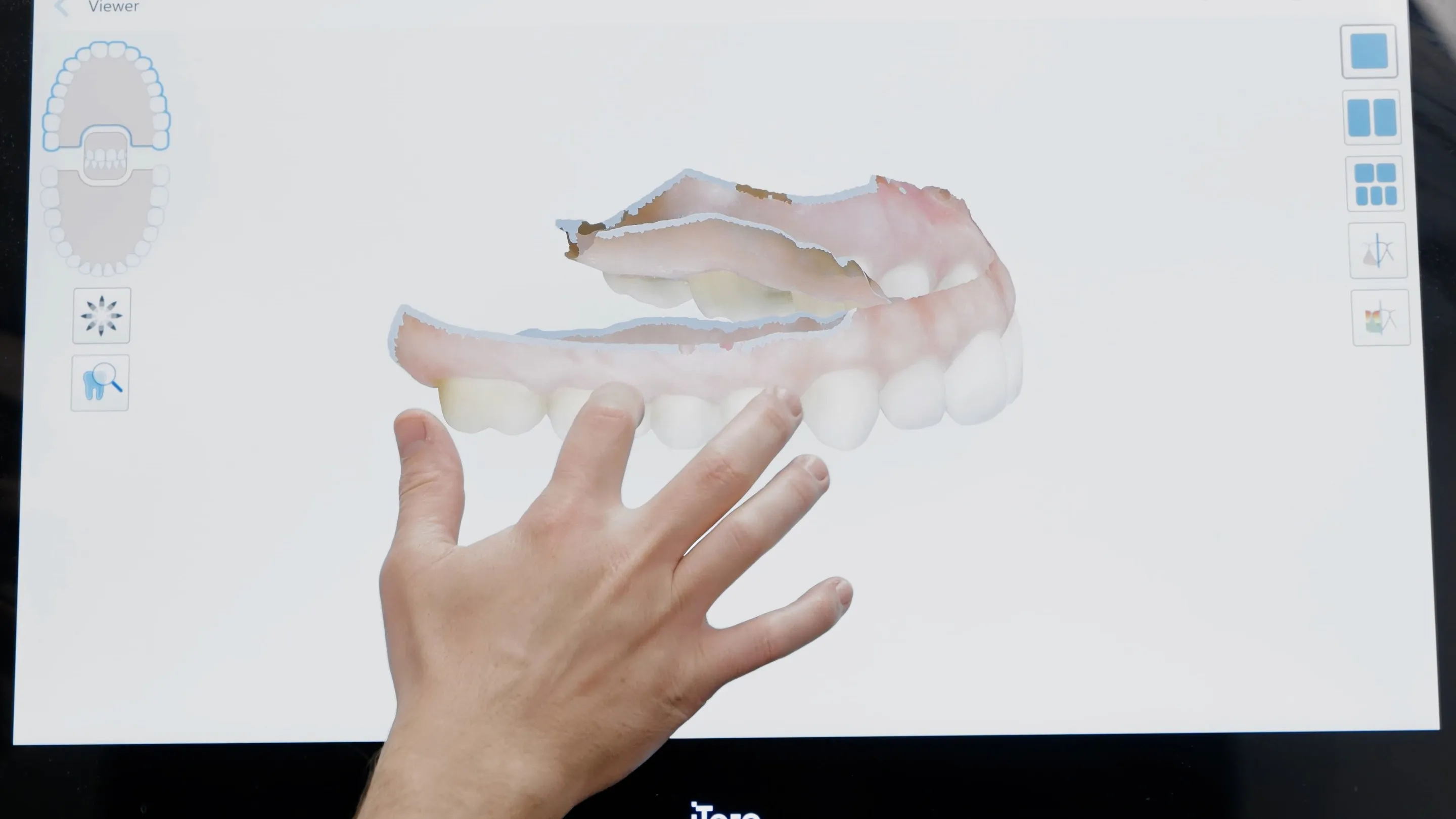
A custom guard is made from impressions or a digital scan of your own teeth, so it is thinner, stays put, and distributes force evenly across the bite. It is usually made from a harder, more durable material, and it can be adjusted as your teeth or dental work change.
Getting one made
It usually starts with an exam, to confirm the wear is from grinding and to check for anything a guard should not cover up — decay, a cracked tooth or a problem with the jaw joints. A scan or impression of your teeth is then taken and the guard is made to fit it.
At the fitting, the guard is tried in and the bite is checked so the teeth meet it evenly. Expect a short adjustment period of a few nights. Bring it to your routine check-ups so its fit and wear can be looked at, and to follow-up visits if anything about it feels uneven.
Cost is covered under financial options, and any question before booking can go through the contact page.
Frequently Asked Questions
How do I know if I grind my teeth?
Most people who grind at night do not know it. The usual clues are a partner who hears it, aching jaw muscles or a headache on waking, teeth that have become more sensitive, and edges that look flattened or chipped. A dentist can often see the wear pattern at a routine exam.
How long does a night guard last?
It depends entirely on how heavily you grind. Some last years; a heavy grinder may wear through one much sooner. It is checked at routine visits, and a guard that has worn thin or cracked is replaced.
Will it stop my headaches?
Many people find morning headaches and jaw soreness improve, but grinding has several possible causes and a guard addresses the damage rather than the cause. Headaches that continue are worth raising with your dentist or doctor.
Is it uncomfortable to sleep in?
Most people take a few nights to a couple of weeks to get used to one. A custom guard is thin and made to your teeth, so it is far less bulky than a store-bought one. If it still feels tight or uneven after that, it can be adjusted.
Can I use a sports mouthguard instead?
They do different jobs. A sports guard is soft and thick to absorb a blow, and a heavy grinder can chew through one. A night guard is designed for the steady, repeated force of clenching and grinding.
How do I clean it?
Rinse it after wearing, brush it gently with a soft toothbrush and cool water, and let it dry in its case. Avoid hot water, which can warp it, and bring it to your check-ups so its fit and wear can be checked.