

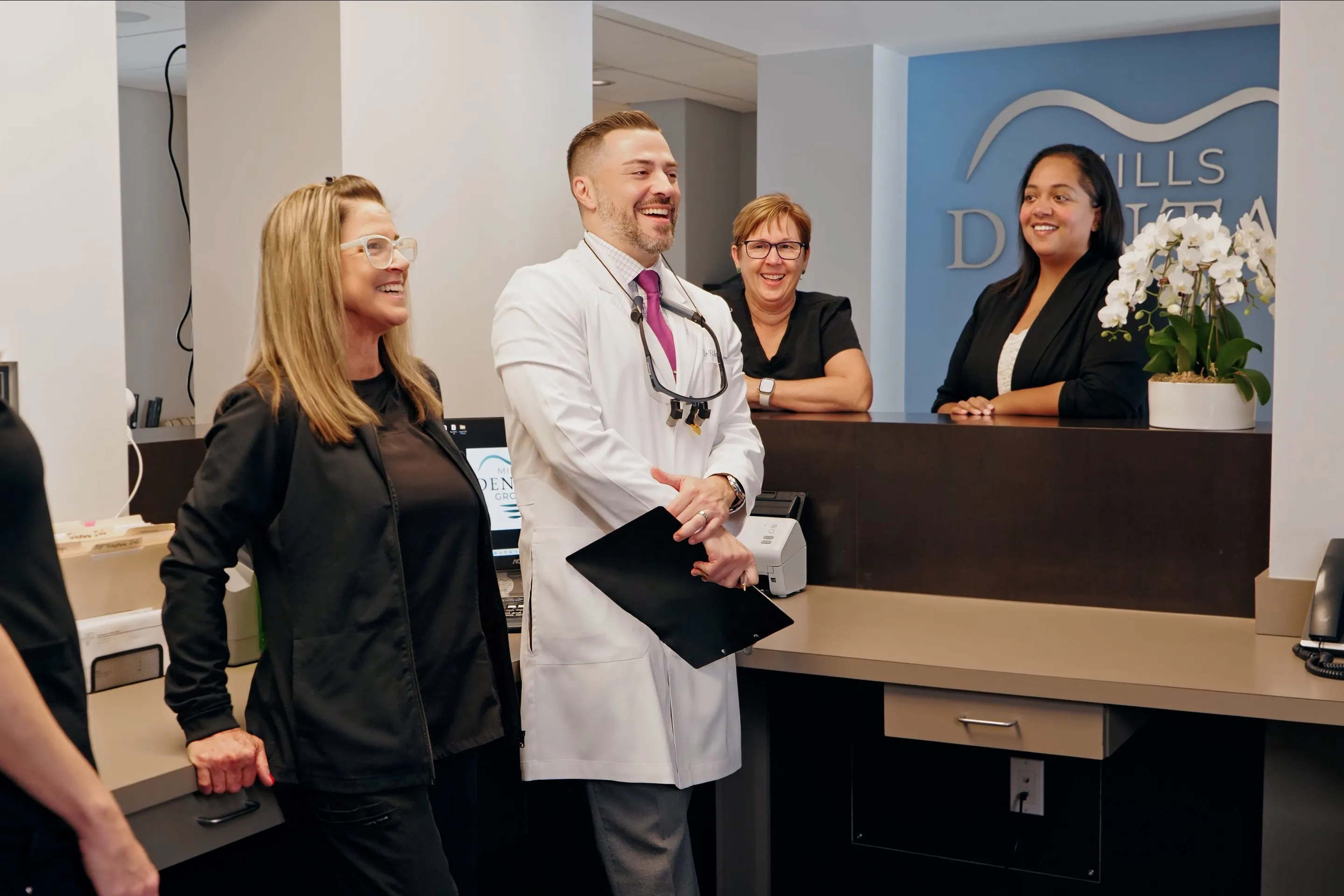

Dental Cleanings & Exams
Removing the hardened tartar a toothbrush cannot, and checking teeth, gums and soft tissue for anything that has changed.
Dental Sealants
A thin protective coating on the chewing surfaces of back teeth, where the grooves make decay most likely to start.
Fluoride Treatment
Concentrated fluoride applied to the teeth to strengthen enamel and help reverse the earliest stage of decay.
Night Guards
A custom-fitted guard worn during sleep to protect teeth from grinding and clenching.
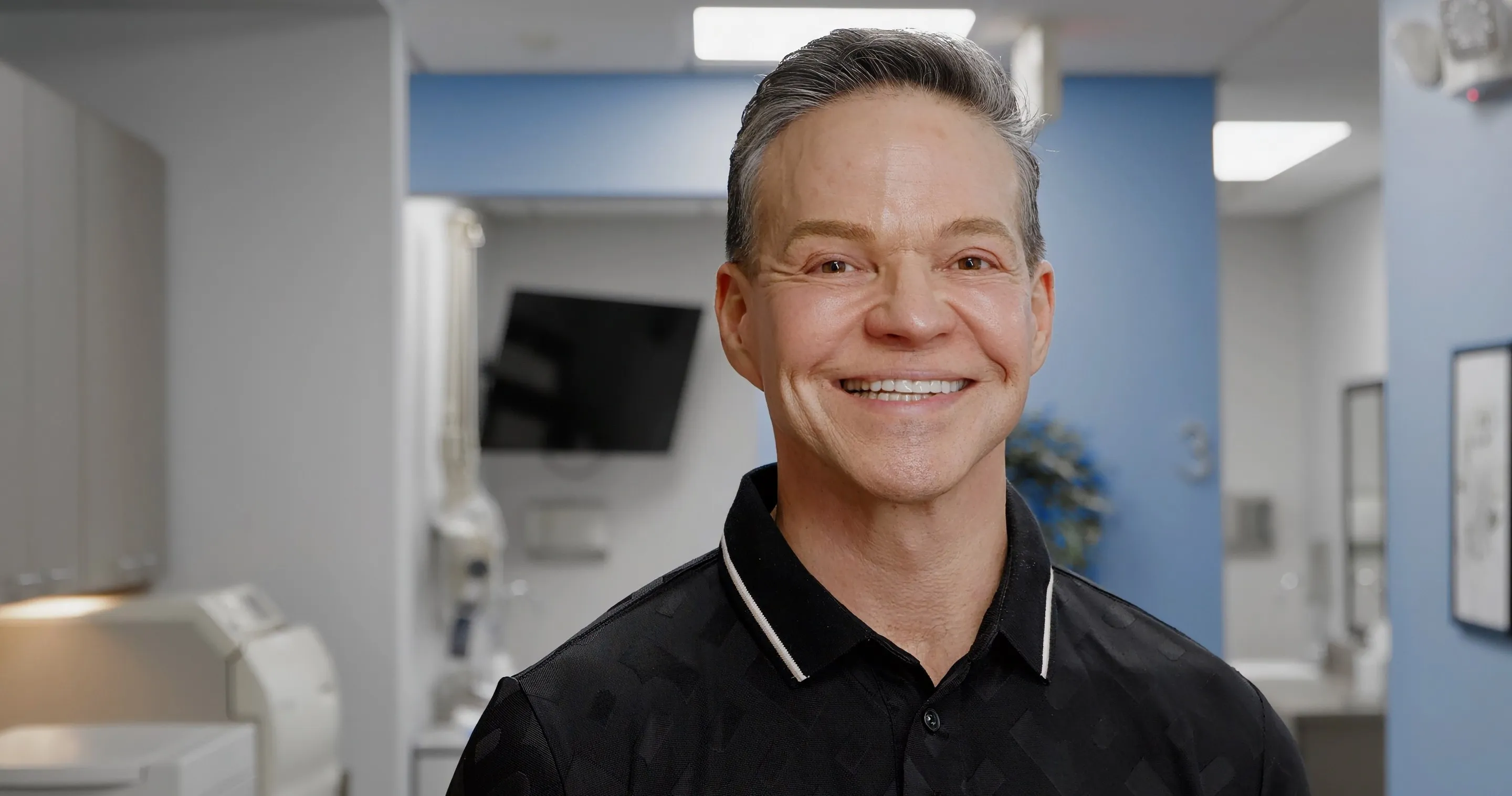
Dental Bonding
Tooth-colored resin shaped onto a tooth to repair a chip, close a small gap or cover a stain, often without removing enamel.
Porcelain Veneers
Thin porcelain shells bonded to the front of the teeth to change their color, shape or length.
Invisalign® Clear Aligners
A series of removable clear aligners that move teeth gradually, without brackets or wires.
Teeth Whitening
Professional whitening that lightens the natural shade of the teeth more predictably than over-the-counter products.
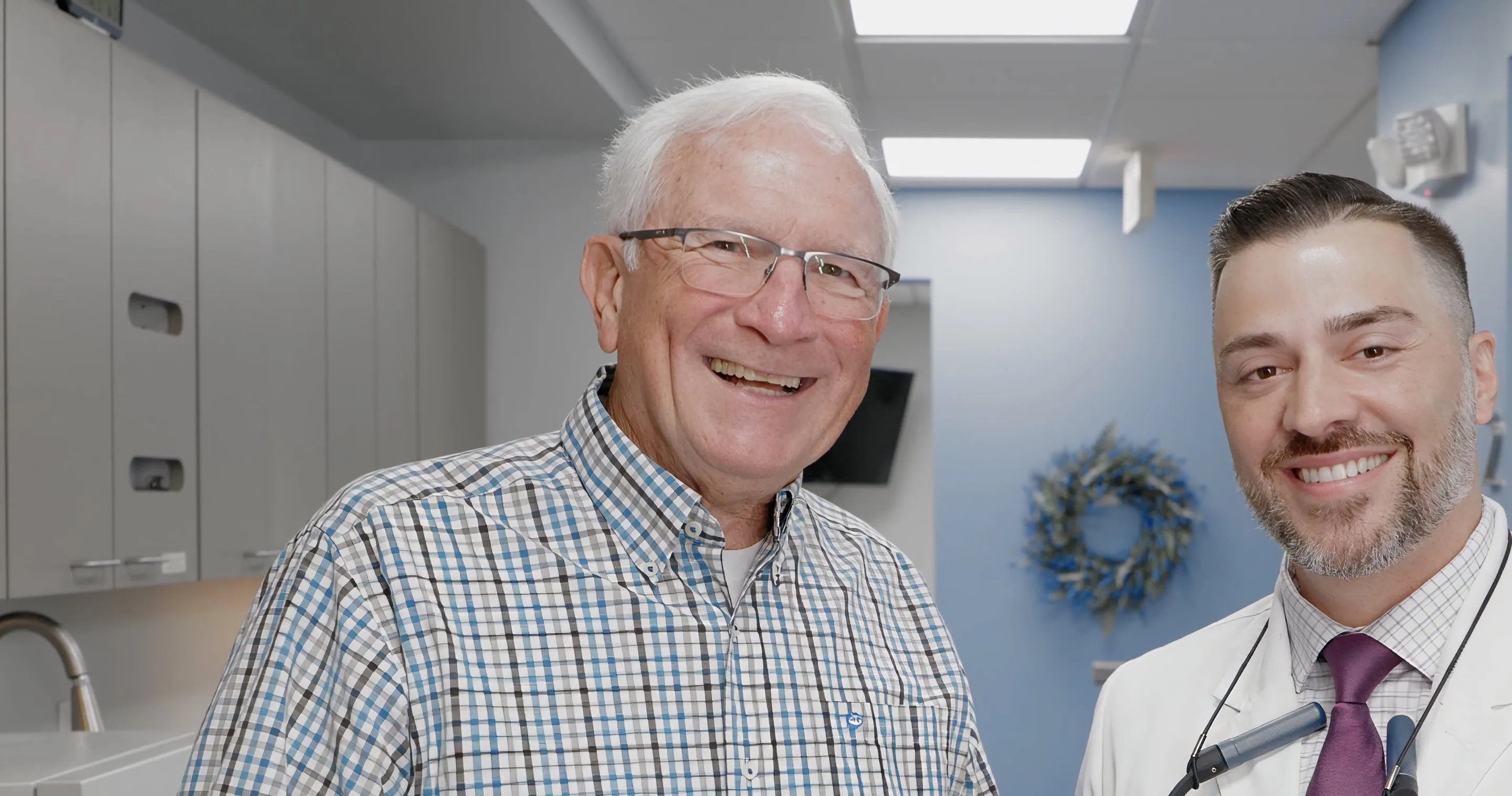
Dental Fillings
Rebuilding a tooth once decay has been removed, most often with tooth-colored composite.
Dental Crowns
A cap that covers and protects a tooth weakened by a large filling, a fracture or root canal treatment.
Dental Bridges
A fixed replacement for one or more missing teeth, anchored to the teeth or implants on either side of the gap.
Dental Implants
A titanium post that replaces a missing tooth at the root and carries a crown, bridge or denture.
Dentures
Removable full or partial replacements for missing teeth, made to fit the shape of your mouth.
Root Canal Treatment
Removing infected or inflamed pulp from inside a tooth so that the tooth itself can be kept.
Tooth Extractions
Removing a tooth that cannot be saved, or one that is causing crowding, infection or other problems.
The technology behind the diagnosis
Every treatment on this page starts with a diagnosis, and a diagnosis is only as good as what can be seen. Better images mean problems are found earlier, and earlier usually means a smaller, simpler fix.
Digital X-Rays
Images on screen in seconds, with substantially less radiation than film — for decay between teeth, bone levels and infection at the root.
Cone Beam Imaging
A 3D scan of the jaw and teeth that shows bone, nerves and sinuses from any angle — used where a flat X-ray is not enough, such as implant planning.
Digital Scanner
A small wand that builds a 3D model of your teeth on screen, in place of a tray of impression putty.
Intraoral Camera
A pen-sized camera that puts a magnified photograph of your own tooth on a screen, so you see what the dentist sees.
Not sure what you need?
Most visits start with an examination, and you do not need to know the name of a treatment to book one. If something is uncomfortable, say so when booking — it changes how the appointment is scheduled.
If it has been a long time since your last visit, that is common and it is not a problem. The first appointment is a chance to find out where things stand, and nothing is decided in the chair: you leave knowing what was found and what the options are. How payment works is covered under financial options, and if you have a question before booking, the contact page has every way to reach the office.

Frequently Asked Questions
Which service do I need?
You do not need to know before you book. Most treatment starts with an examination, and what you need follows from what it finds. If something hurts or has changed, say so when booking so the appointment can be arranged around it.
What is the difference between general, cosmetic and restorative dentistry?
General dentistry keeps teeth and gums healthy and deals with problems early. Restorative dentistry repairs or replaces teeth that are damaged or missing. Cosmetic dentistry changes how teeth look — their color, shape or alignment. The lines overlap: a tooth-colored filling is restorative and cosmetic at once.
Do I need a check-up before cosmetic treatment?
Usually, yes. Whitening, bonding, veneers and aligners all work best on healthy teeth and gums, and decay or gum disease generally needs treating first. Whitening also does not change the color of existing fillings or crowns, which is worth knowing before planning any other work.
Is cosmetic dentistry covered by insurance?
Dental plans generally cover treatment that is needed for health and not treatment that is purely cosmetic, though some procedures fall in between. What any particular plan covers depends on the plan, so ask for an estimate before treatment starts.
Do you see children?
Yes. Guidance is that a child should be seen by their first birthday, or within six months of the first tooth appearing — largely so the dentist is familiar before anything needs doing.
What should I do if I am in pain right now?
Call the practice as soon as you can. Facial swelling that spreads toward the eye or under the jaw, or any difficulty breathing or swallowing, is a medical emergency — go to an emergency room or call 911.