


What a sealant is
A dental sealant is a thin protective coating painted onto the chewing surface of a back tooth. Your dentist may recommend one for teeth that are especially vulnerable to decay.
Molars and premolars have deep grooves — called pits and fissures — that are often narrower than a single toothbrush bristle. Food and bacteria settle into them and a brush cannot reach the bottom, which is why the chewing surfaces of back teeth are where most decay in children begins.
The sealant flows into those grooves and hardens, turning a pitted surface into a smooth one that cleans easily. It does not change how the tooth looks or feels once it has set; most people stop noticing it within a day.

Who they help most
Sealants are most commonly placed on children shortly after the permanent molars come through — the first molars around age six and the second around age twelve — because that is when the teeth are newest and the risk of decay in their grooves is highest. The Centers for Disease Control has reported that sealants substantially reduce decay in the treated surfaces of children's back teeth.
Adults with deep grooves that have no decay or fillings in them can also benefit, particularly anyone with a history of cavities. Sealants tend to suit people who already get decay rather than those who rarely do, and that is a judgment made from the exam and X-rays.
For younger patients, sealants are one part of the preventive care described under children's dentistry, alongside fluoride treatment and regular cleanings and exams.
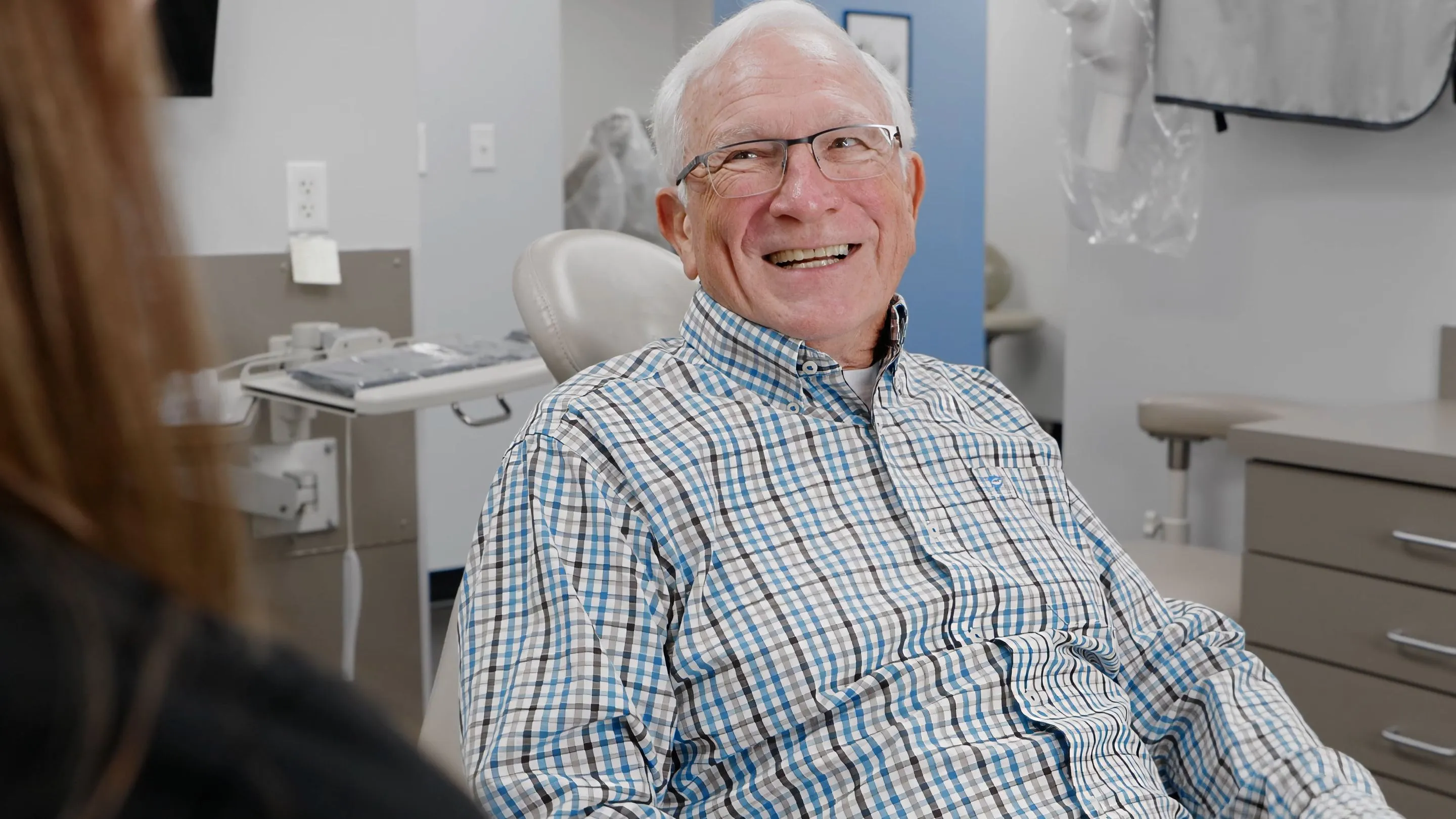
Placing a sealant takes a few minutes per tooth and needs no drilling or anesthetic. It is usually done at an ordinary visit, and several teeth can be treated at once.
The tooth is cleaned and dried, because the sealant will only bond to a clean, dry surface. A conditioning gel is applied for a few seconds to roughen the enamel very slightly, then rinsed off. The tooth is dried again and kept dry with cotton or a small shield while the liquid sealant is painted into the grooves. A blue curing light then hardens it in seconds, and the bite is checked to make sure it feels normal.
There is no recovery time. You can eat and drink as usual as soon as you leave.
The comparison worth making is with what a sealant prevents. A cavity in the same groove means a filling: removing decayed tooth structure and replacing it for good. A sealant removes nothing, and if it wears it is simply reapplied — which is why it is usually placed before decay has had a chance to start.
Looking after sealed teeth
Sealants wear gradually with chewing. They are checked at every routine check-up, and a worn or chipped one is simply topped up or replaced — the same quick process as the first time.
Chewing ice and hard sweets shortens their life, as it does for any tooth. Beyond that, a sealed tooth is cared for like any other: brushing twice a day with fluoride toothpaste, cleaning between the teeth, and keeping sugary snacks and drinks to mealtimes.
Cost is covered under financial options.
Frequently Asked Questions
Do sealants replace brushing?
No. They protect the grooved chewing surfaces only. The sides of the teeth, the spaces between them and the gum line still need brushing and flossing every day.
How long do they last?
Several years is typical, though it varies with how heavily someone chews and grinds. They are inspected at each check-up and topped up or replaced where they have worn.
Does getting a sealant hurt?
No. There is no drilling and no injection. The tooth is cleaned, dried and painted, and the most anyone usually notices is the taste of the conditioning gel and keeping the mouth open for a few minutes.
Can a sealant go over a cavity?
A sealant is for a healthy surface. A tooth with decay that needs treating is filled instead. Very early enamel changes are sometimes sealed deliberately, because sealing cuts off the bacteria underneath, but that is a decision made after the tooth has been examined.
Are adults ever sealed?
Sometimes. Adults with deep grooves and no fillings or decay in them can benefit, particularly if they have a history of decay elsewhere. Your dentist will tell you whether it is worthwhile for your teeth.
Are they safe?
Sealants are a long-established preventive treatment. If you have questions about the materials, ask at the appointment — it is a reasonable thing to want to know.