
What fluoride does
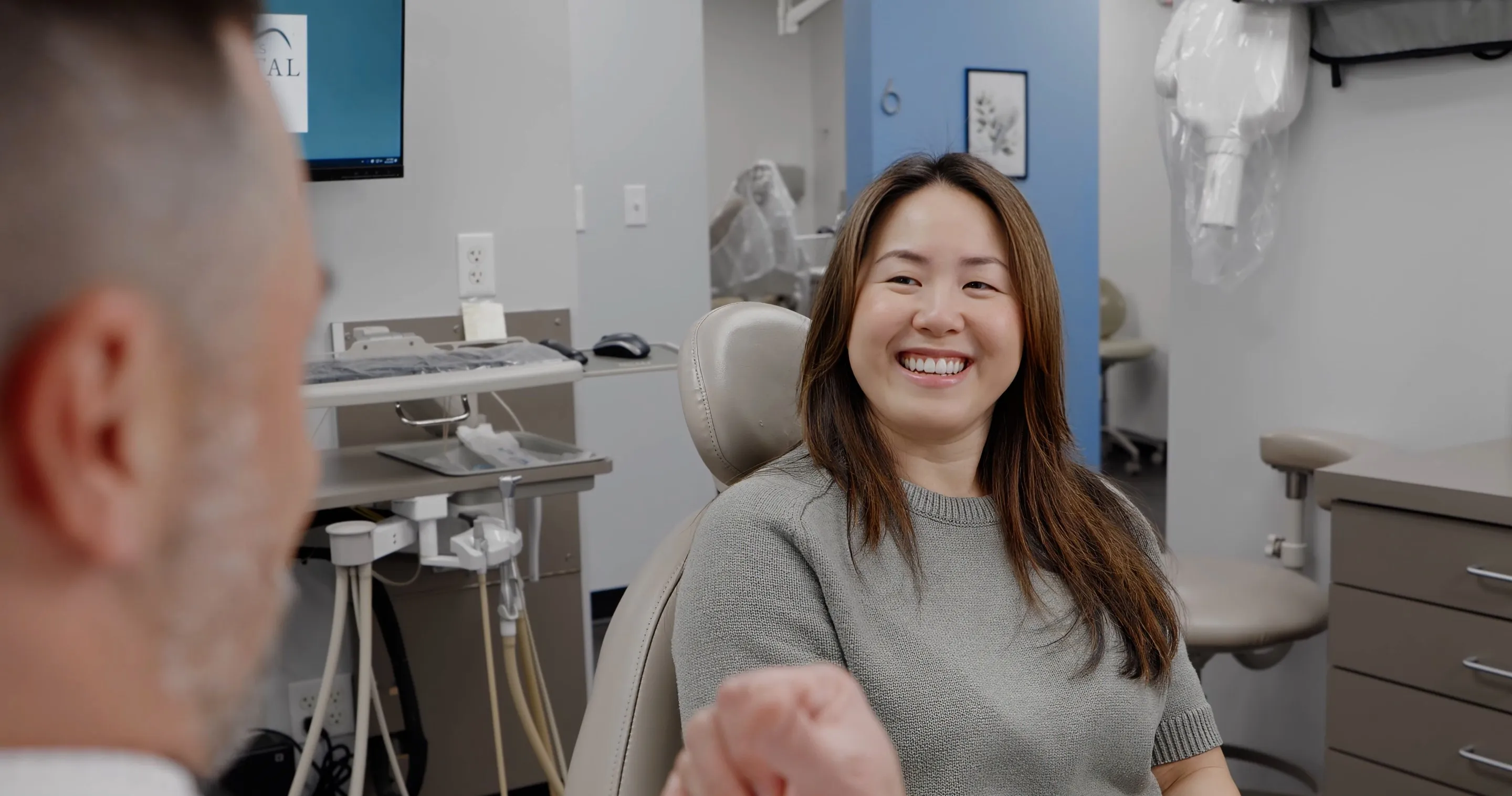
Fluoride treatment helps prevent cavities and strengthens the overall health of your smile. It works because enamel is constantly losing and regaining minerals. Acid from bacteria — produced every time they feed on sugar — strips calcium and phosphate out of the surface; saliva puts them back. Decay begins when the losing outpaces the regaining.
Fluoride shifts that balance. It helps rebuild weakened enamel and forms a compound more resistant to acid than the original surface, which is why it is the most established preventive agent in dentistry. The earliest stage of decay — a chalky white spot where minerals have been lost but the surface has not yet broken — can often be halted or reversed this way, before it needs a filling.
A professional treatment is stronger
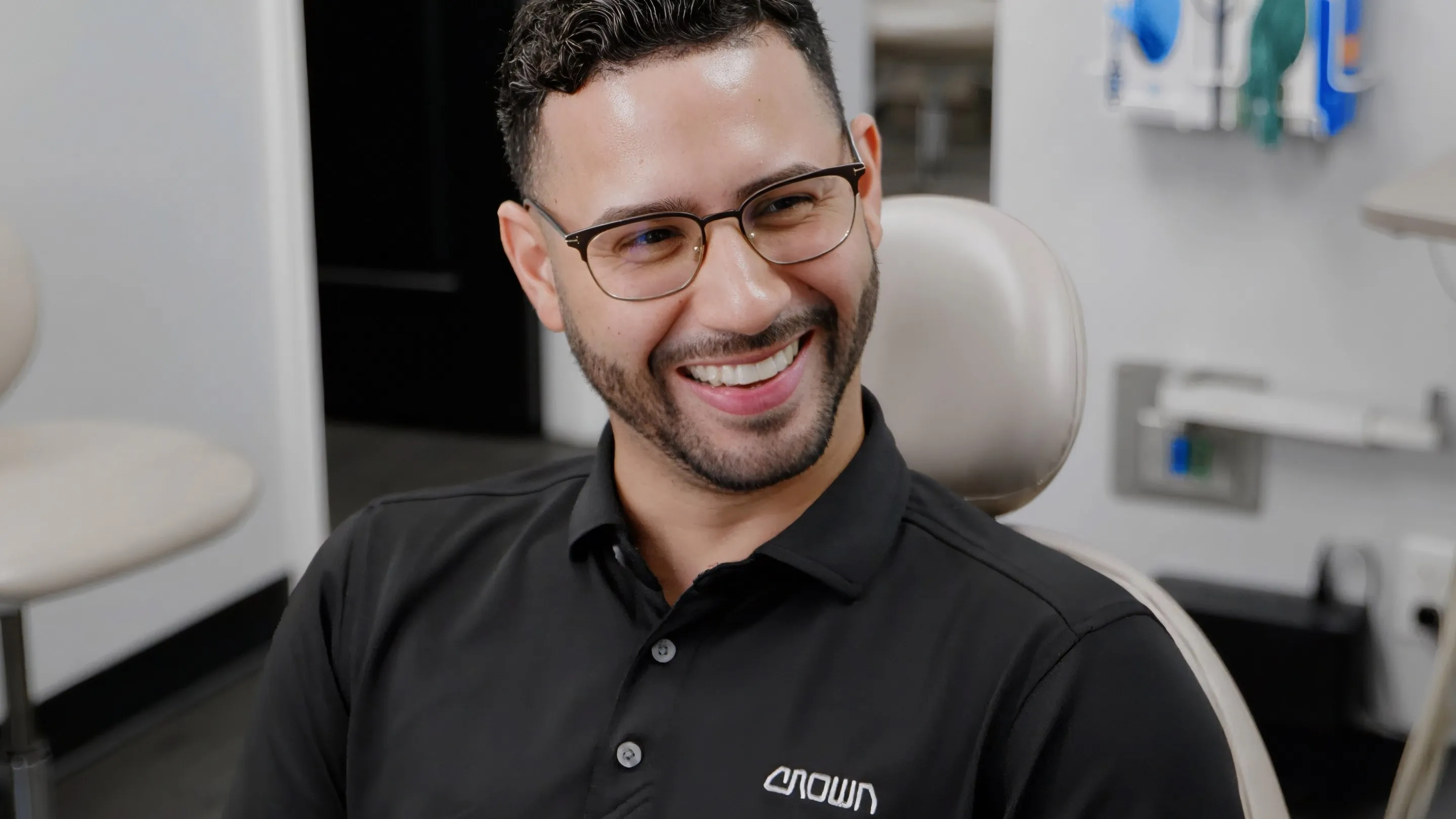
The fluoride in toothpaste and drinking water works at low concentration over time. A treatment applied in the office — usually a varnish painted onto the teeth — is far more concentrated, and is held against the enamel long enough to be absorbed.
It takes a few minutes and is typically done at the end of a cleaning, when the teeth are free of plaque and tartar and the fluoride can reach the enamel directly. The teeth are dried, the varnish is brushed on in a thin layer, and it sets almost immediately on contact with saliva. There is no drilling, no tray to hold in the mouth and nothing uncomfortable about it.
Who benefits most
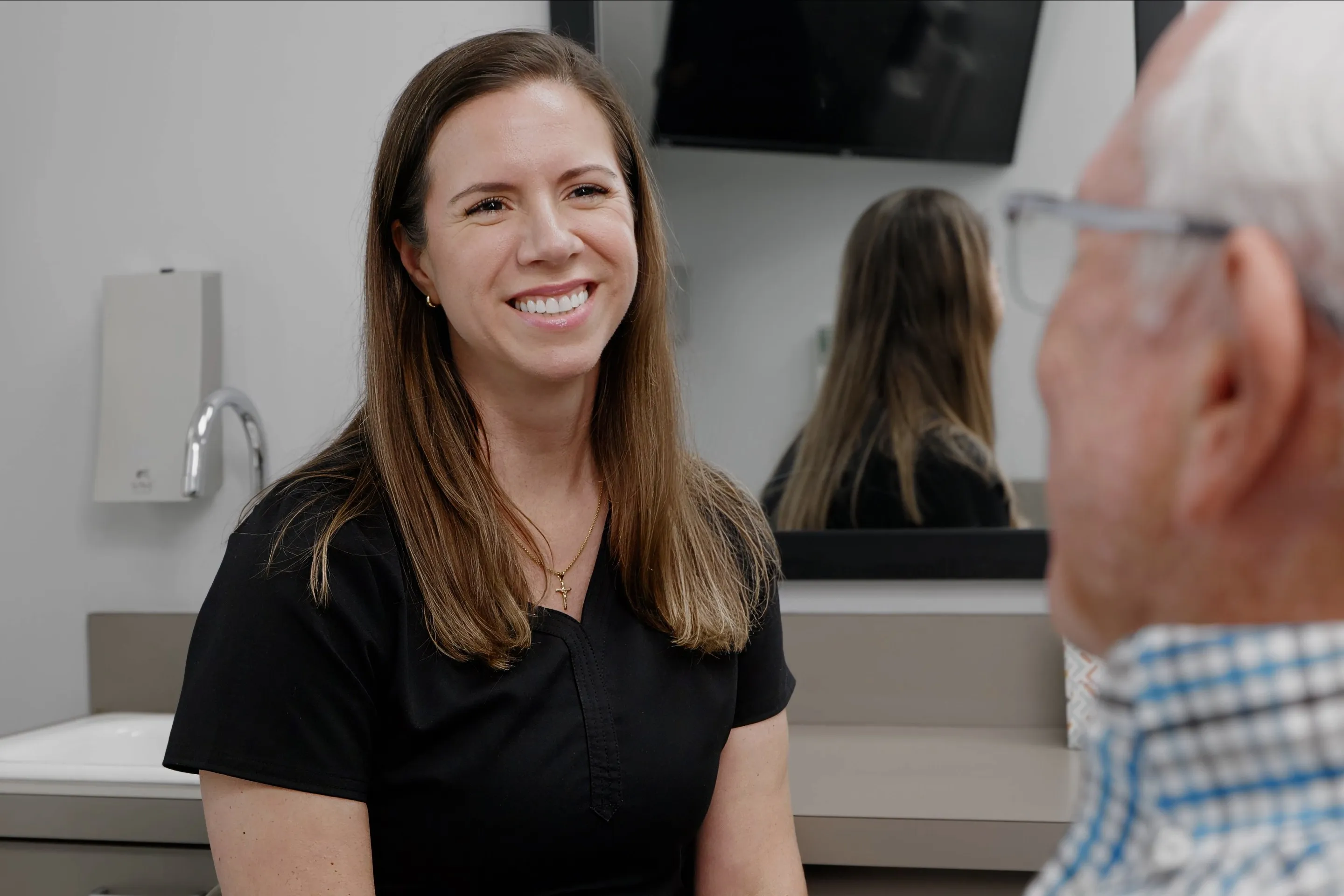
Anyone with a higher than average risk of decay. That includes people with a history of cavities, exposed root surfaces from receding gums, a dry mouth — often a side effect of medication — braces or other orthodontic appliances, and a diet high in sugar or acid.
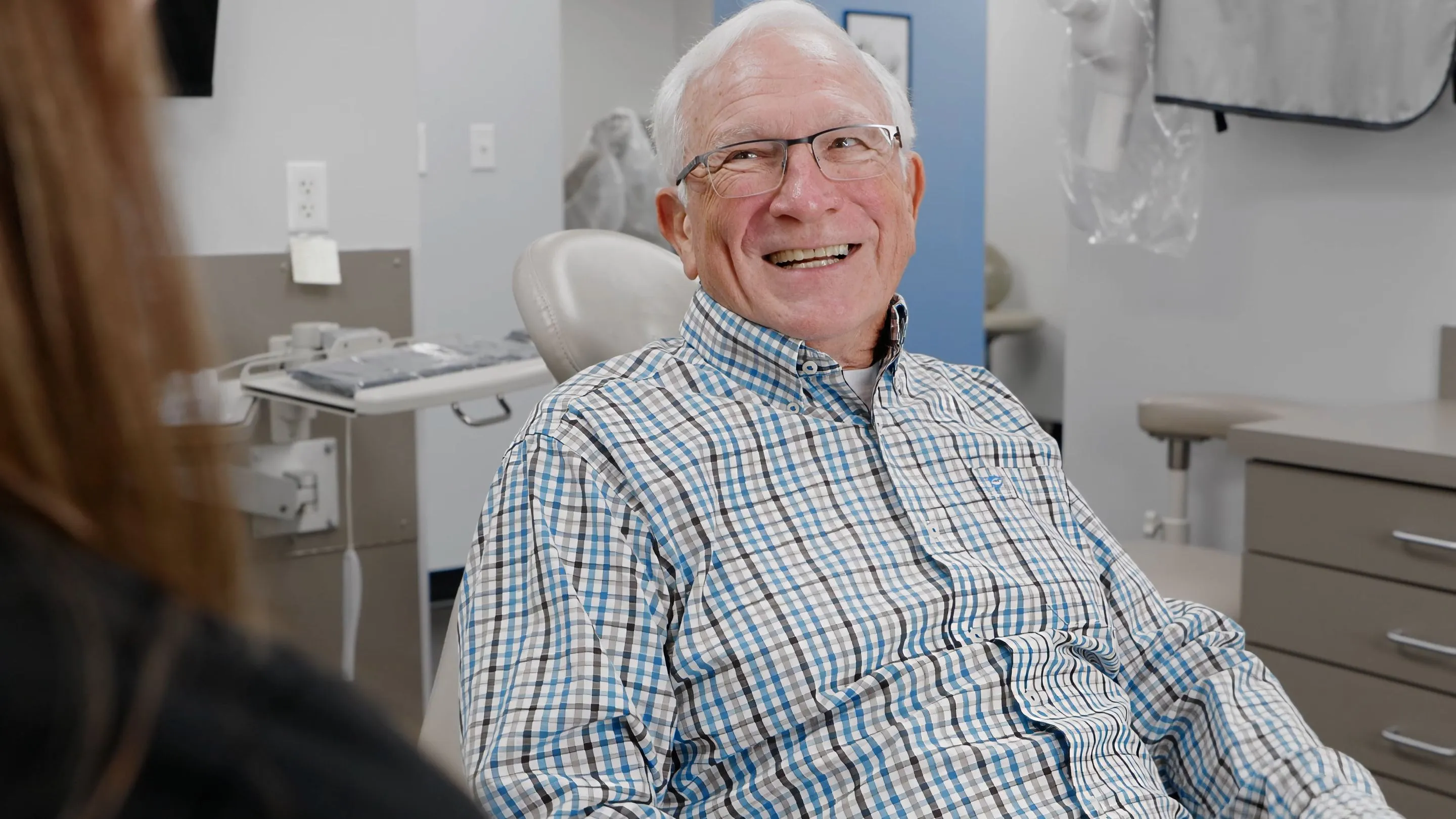
Exposed roots matter especially for older adults. Root surfaces have no enamel covering them and decay more easily than the crown of the tooth, so fluoride is often as useful at seventy as it is at seven.
For people who rarely get decay, fluoride toothpaste and fluoridated tap water may be all the fluoride they need, and a dentist will say so. A professional treatment is a way of adding protection where the risk is higher, not something everyone needs at every visit.
For children, it is one part of the preventive care described under children's dentistry, often alongside dental sealants once the permanent molars arrive.
For a few hours after a varnish, the usual advice is to avoid hot drinks, hard or sticky foods and brushing, so the coating has time to work. The teeth may feel slightly coated until the next brushing, which removes what is left.
At home, the most useful fluoride is the simplest: brushing twice a day with a fluoride toothpaste, then spitting rather than rinsing, so a little stays on the teeth. For people at higher risk, a dentist may suggest a higher-strength toothpaste or a fluoride rinse between visits.
Cost is covered under financial options.
Frequently Asked Questions
Can I eat afterward?
With varnish you are usually asked to avoid hot drinks, hard or sticky foods and brushing for a few hours, so the coating stays on the teeth long enough to be absorbed. You will be told the specific instructions at the appointment.
Is it just for children?
No. Adults with receding gums, a dry mouth, orthodontic appliances or a history of decay often benefit as much as children do, or more.
Is professional fluoride safe?
Yes, used as directed. The amount in a varnish is small, it is applied in a thin layer, and it sets on contact with saliva, so very little is swallowed. Fluoride has been used to prevent decay for decades and is endorsed by the American Dental Association.
How often should I have it?
That depends on your risk of decay. Some people benefit from a treatment at every cleaning, others only occasionally or not at all. Your dentist will recommend what makes sense after examining your teeth.
Will it stain or discolor my teeth?
Varnish can leave a slight yellowish tint or a sticky feel for the rest of the day. It comes off with the first proper brushing afterward.
Is fluoride toothpaste not enough?
For many people with a low risk of decay, fluoride toothpaste and fluoridated water are enough. A professional treatment adds a much higher concentration for people whose teeth need more protection than daily products give.